

 By admin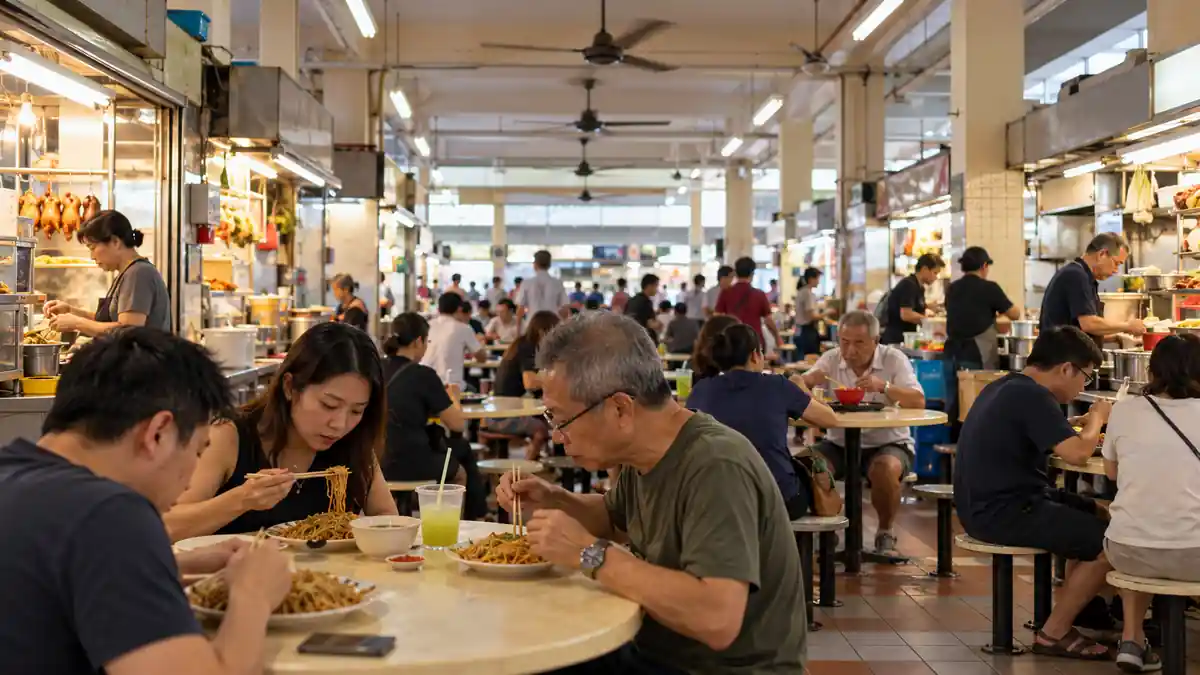
Old Airport Road Food Centre is a Singapore hawker destination where the best meal often begins with a walk around the stalls rather than a fixed list of famous names. You will find a working neighbourhood food centre, busy meal periods, and choices that change with each hawker’s schedule. It rewards a little patience: scan what is open, decide what you want to eat, and make room at the table for a second dish or drink.
The food centre is at Block 51 Old Airport Road. Its history is tied to the former Kallang Airport estate and the movement of street hawkers into purpose-built centres. This guide covers the food, getting there, seating, payment, dietary questions, and ways to enjoy the visit without assuming that a particular stall, price or opening hour will always be the same.
Why visit Old Airport Road Food Centre?
The appeal is choice within a familiar Singapore setting. Several stalls may serve variations of a dish, while others specialise in something entirely different. A group can order different meals and sit together. One person can keep breakfast simple, another can explore noodles, and a third can choose a snack to share.
It is also a place with a story. The National Heritage Board records that the centre was built in 1972 to resettle street hawkers around Kallang Estate. The estate developed after Kallang Airport closed, and the area’s earlier market and housing were connected with that change. The present food centre is more than a collection of recommendations; it reflects how Singapore made room for hawkers and everyday community meals.
Visitors sometimes arrive expecting a polished attraction with one official “best stall.” A hawker centre works differently. Operators set their own menus and trading days, dishes sell out, and queues change by hour. You can still plan, but flexibility usually produces a better meal than trying to complete an old top-ten checklist.
Where is the food centre and how do you get there?
The address is 51 Old Airport Road, Singapore. Dakota station on the Circle Line is a common rail approach; use a current walking map and the station exit that fits your route. Do not rely on a straight-line estimate, especially if you are travelling with children, luggage or someone who needs an accessible crossing. Mountbatten and other nearby stations may suit a different starting point, but compare the actual pedestrian route.
Buses serve the surrounding roads. Because routes, stop names and schedules can change, use a live public transport planner for the day you visit. Check the direction as well as the service number. A stop on the opposite side of the road may take you away from the centre, and a short map distance can still involve a crossing.
A taxi or private-hire car can take you to the block or a legal drop-off point nearby. Set the exact address in the app and do not assume a driver can wait at the entrance. If you are meeting friends, agree on a specific entrance or landmark. “At Old Airport Road” is too broad for a quick rendezvous on a busy day.
Choosing the most convenient arrival
For many visitors, MRT plus a walk is simple and predictable. A bus may reduce walking from another neighbourhood, while a car can be convenient for a family or someone with mobility needs. Compare total journey time, the last walking segment, and the weather. In Singapore’s midday heat, a short uncovered walk can feel more demanding than it looks.
Check the return route before you eat if you have an appointment afterward. Meal queues are hard to time exactly. Leave a buffer for ordering, finding a seat, eating and walking back to transit. Avoid planning a tight connection around the hope that your chosen stall has no queue.
What food should you try?
Begin with a survey of the open stalls. You may find noodle dishes, rice meals, soups, roasted meats, snacks, desserts and drinks, depending on the current operators and time of day. Look at what is being prepared, read the menu and decide which dish fits your appetite. A stall’s long queue can be a clue to demand, but it is not a guarantee that its food suits your taste.
If you are visiting Singapore for the first time, a familiar dish can make a useful starting point. Ask a vendor what comes with the order and whether a sauce or chilli is optional. A more adventurous diner can choose a dish they have not tried before and ask how it is normally eaten. Hawkers are busy, so keep questions brief and order clearly when it is your turn.
Do not assume every version of a named dish is identical. Broth, seasoning, texture, portion size and accompaniments vary. That variation is part of the interest in a food centre with many cooks. You need not proclaim one stall the winner after a single visit; choose what tastes good to you and leave room to try something else next time.
Noodles and soup
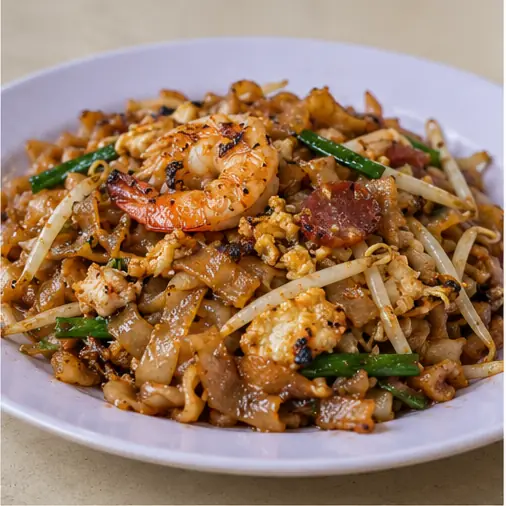
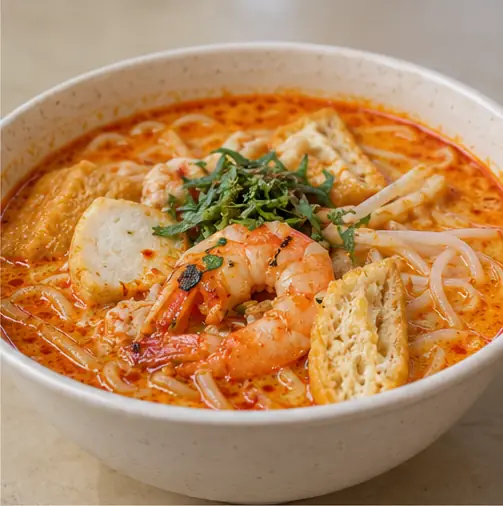
A bowl of noodles can differ greatly depending on the cooking style. Some are served dry with sauce and a separate soup; others arrive in broth. Before ordering, notice whether the menu offers a choice of noodle type, spice level or toppings. Ask for a less spicy version if that matters, though a vendor may have limited room to change a prepared sauce.
Soup can be appealing in the morning or on a rainy day, but a hot bowl in a crowded centre deserves care when you carry it. Clear a path to your table and use a tray where available. If you are photographing food, do it quickly so it is still hot when you eat. Condiments may be placed at the stall or table; follow the operator’s setup.
Rice dishes and shared plates
Rice dishes can be a straightforward meal when you want a complete plate. Check what comes as standard and what counts as an extra portion. A plate ordered with additional meat, vegetables or egg may cost more than the basic displayed price. Ask for the total before confirming if you are watching your budget.
Groups can share a side dish or dessert, but coordinate orders so food does not arrive long before everyone is seated. Pick a table, designate one person to stay with the group’s belongings, and take turns ordering when the centre is crowded. Do not leave valuables unattended while queuing.
Snacks, dessert and drinks
Small bites make the centre useful even when you are not ready for a full meal. A drink and snack can also be a comfortable pause during a walk around the neighbourhood. Read the current menu for ingredients and sweetness options. If you are unfamiliar with a drink name, ask what goes into it rather than guessing.
Dessert is easiest to add after the main course, once you know how much appetite remains. A group may prefer one shared portion. Dispose of cups and packaging correctly and follow current tray-return instructions. Small acts of tidiness help a busy centre work for the next diners.
How to choose a stall without relying on an old list
First decide what kind of meal you want: light or substantial, dry or soupy, mild or spicy, familiar or new. Walk through the open sections and compare menus. Observe whether a stall is cooking to order, what customers are receiving, and how long the queue is moving. A short queue can mean faster food, but it may also be because a stall has just opened.
Check a stall’s schedule directly if it is the main reason for your journey. Directory listings and social posts can become outdated. Even a regularly operating vendor may take a day off, close early after selling out or change a menu item. Have a second choice in mind so the trip remains enjoyable.
Quality is not always visible from the number of people waiting. Think about your own needs: ingredients, portion, waiting time and the kind of food you feel like eating. A quiet stall can serve a satisfying meal. Be polite to the hawker regardless of how much online attention their business receives.
When is the best time to visit?
The answer depends on your purpose. A breakfast visit, a lunch meal and an evening stop can offer different sets of open stalls. The food centre as a building may have access hours, but individual hawkers decide when they trade. Do not treat a generic “opening hours” box as a promise that every dish is available throughout the day.
Lunch periods can be crowded, especially when several groups arrive at once. Coming a little before or after the busiest meal rush may make seating easier, but a popular stall could still have a line or sell out. An early visit may suit some dishes and leave other stalls shuttered. Decide whether you care more about a particular vendor or a relaxed overall experience.
Weekends and public holidays can change the rhythm. Confirm a must-visit stall’s hours and allow extra time for transport and queues. If you are meeting a large group, choose a less pressured time where possible. A comfortable meal is easier when you do not have to compete for several adjacent seats at the busiest moment.
Seating, ordering and payment
Walk around briefly before settling, but do not block aisles while reading menus. Once you have chosen a table, keep the number of occupied seats honest. If someone in your group is still ordering, another person can remain at the table, but avoid reserving a large area for people who may not arrive soon. Share space respectfully when demand is high.
Order at the stall and listen for the vendor’s collection instructions. Some meals are handed over immediately; others require a short wait or a number. Carry hot food carefully, especially through a crowded aisle. Check whether the stall provides a tray and bring your dishes back to the table without bumping diners.
Payment methods differ. Some stalls accept digital payments, while others may prefer cash or a particular local method. Look for current signs at the counter and ask before ordering if you have only one payment option. Keep smaller notes available if you intend to pay cash, and check the final price for extras.
Tray return and table etiquette
Follow the centre’s posted instructions for returning trays, crockery and cutlery. Sort items according to the designated return point if required, and clear spills you can safely handle. Do not leave tissue packets, drink cups or packaging on the table. If you used a seat for an extra bag, free it when others need to sit.
Food centres are shared spaces. Keep conversation at a reasonable level, let others pass, and avoid treating a table as a work area during a busy meal period. A few minutes of consideration help both hawkers and diners. Staff who clear tables have work to do; your cooperation makes it easier.
Budgeting for a meal
Prices depend on the stall, dish, portion and extras. Avoid relying on an old online price chart. Read the board, ask about upgrades and confirm the total before paying. A basic meal and a meal with extra toppings are not necessarily comparable even when they share a name.
Set a practical budget that includes a drink and possible dessert if you want them. Decide whether you would rather try one full dish or several smaller items. Sharing can offer variety, but not every dish travels or divides well. If you are ordering for others, clarify their preferences before reaching the front of a queue.
Value is more than a low price. Consider taste, portion, freshness, waiting time and how much you enjoy the experience. A dish you genuinely want is a better use of your budget than buying something only because a ranking called it essential.
Dietary requirements and food safety
Do not assume a dish is vegetarian, halal, free of allergens or suitable for a medical diet from its name alone. Sauces, stocks and garnishes can contain ingredients that are not obvious. Ask the specific vendor about ingredients and preparation, and look for any relevant certification where required. If a severe allergy is involved, explain it clearly and choose a place that can answer confidently.
Hawker food is often cooked in a compact workspace. Cross-contact may be possible even when an ingredient is absent from the final plate. A vendor can best describe their own setup; another customer’s guess is not enough. Be courteous if a stall cannot meet a strict requirement, and choose an alternative.
Singapore’s heat matters when carrying takeaway food. Eat promptly or refrigerate perishables appropriately, and avoid leaving cooked meals in a warm car or bag for hours. Wash or sanitise hands before eating. Use clean utensils and follow the stall’s packaging instructions for reheating or storage.
The story behind the name
“Old Airport Road” reflects the area’s connection to the former Kallang Airport. The National Heritage Board explains that Kallang Airport closed in 1955 and the estate developed afterward. It records a market as part of that development and says the later food centre was built in 1972 to resettle street hawkers in the area.
This background is useful when walking beyond the tables. A hawker centre can look like an everyday building, yet its location tells a larger story of housing, transport and food culture. Read the National Heritage Board’s account of Block 51 Old Airport Road if you want a concise historical starting point.
Be careful with claims about a stall’s age. A business may have a long family history but a changing location or operator. If you want to tell its story, ask the people running it or use reliable archival material. The centre’s documented history does not establish the age of every current tenant.
Planning a visit with children or older relatives
A family visit works best with a simple plan. Identify a table, keep young children close around hot food and crowded aisles, and let one adult order while another stays with them. Choose dishes that match their appetite and spice tolerance rather than expecting them to enjoy a famous hawker specialty.
Older visitors may prefer an arrival route with less walking and a seat before ordering. Check current accessibility information for the entrance, toilets and seating if a mobility aid is involved. A food centre can be noisy at peak time; an off-peak meal may make conversation easier. Bring water and do not hurry someone carrying a hot bowl.
For a group with different dietary needs, walk the stalls together first and agree on a meeting place. Each person can choose an appropriate meal without forcing everyone into the same queue. Confirm that a dish can be prepared as requested before promising it to another diner.
A practical first-visit plan
Check a live route to 51 Old Airport Road and arrive with enough time to look around. If a specific stall matters, verify its current opening information before leaving. Once inside, take a short circuit, note two or three appealing options and find a seat. Do not make a long queue your only plan.
Order one main dish first. If travelling with others, consider sharing a second item after everyone has eaten a little. Add a drink or dessert if you have room. Ask about ingredients, price and collection instructions when needed. Carry food carefully and clear the table afterward.
Before leaving, check the return journey and any next stop. A food centre visit can be brief or leisurely; give yourself permission to stay only as long as the meal is enjoyable. The goal is to eat well and experience a working part of Singapore’s hawker culture, not to photograph every stall.
Common mistakes to avoid
One mistake is arriving at the wrong time for a particular vendor. Individual stalls can be closed while the building is open. Another is ordering by a dated price found online. Check the current menu and ask about extras. A third is taking an online ranking as a command to join the longest queue even when you want another dish.
Do not occupy a table with bags while others are searching for seats, leave used trays behind, or film hawkers and diners without consideration. Avoid assuming every sauce or broth is safe for a dietary restriction. A brief conversation with the vendor can prevent a poor choice.
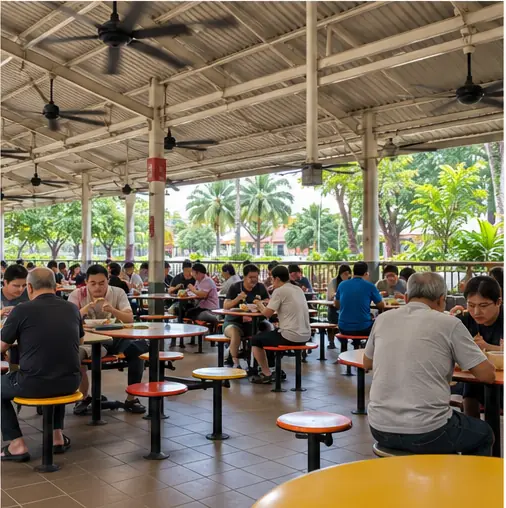
Finally, remember where you are. Old Airport Road Food Centre is part of a neighbourhood. Its value lies in the work of the hawkers and the daily meals of local diners, not merely in a list of social-media favourites. Visiting with patience is a better way to appreciate it.
Frequently asked questions about Old Airport Road Food Centre
Where is Old Airport Road Food Centre?
It is at Block 51 Old Airport Road in Singapore. Use the exact address in a map or transport planner rather than a broad neighbourhood search.
Which MRT station should I use?
Dakota on the Circle Line is a common approach. Check a current pedestrian route and compare it with other stations if your starting point makes a different journey easier.
Is there an entrance fee?
No ticket is needed to browse and dine in a public hawker centre. You pay the individual stalls for what you order.
Are all stalls open every day?
No. Each hawker sets trading days and hours, and food can sell out. Check a specific stall directly if it is essential to your visit.
Can I pay without cash?
Payment methods vary by stall. Look at the current counter signs or ask before ordering if you have only a digital option.
Is there vegetarian or halal food?
Available choices and certifications depend on current operators. Ask the individual vendor about ingredients, preparation and any certification relevant to your needs.
What time should I visit to avoid crowds?
Meal rushes tend to be busier, but crowd levels and stall opening patterns vary. An off-peak visit may make seating easier; a favourite dish may not be available then.
Why is it called Old Airport Road?
The area developed after the closure of Kallang Airport. The National Heritage Board connects the estate and later hawker centre to that history.
Do I need to return my tray?
Follow the food centre’s posted tray and crockery return instructions. Clear rubbish and leave the table ready for the next diner.
Enjoy the centre on its own terms
Old Airport Road Food Centre is best approached with appetite and flexibility. Arrive at Block 51 by a route that suits you, walk the open stalls, choose food you genuinely want and confirm prices or ingredients where needed. Make room for other diners and clear your table afterward.
A successful visit need not include every famous name. A good bowl or plate, a comfortable seat and a sense of the centre’s place in Singapore’s hawker history are enough reason to return another day.
Sources
- Roots: History of Block 51 Old Airport Road
- NEA: Heritage of our hawker centres
- NEA: Hawker centres managed by appointed operators
- data.gov.sg: Hawker centres dataset
- NEA: Hawker management overview