

 By admin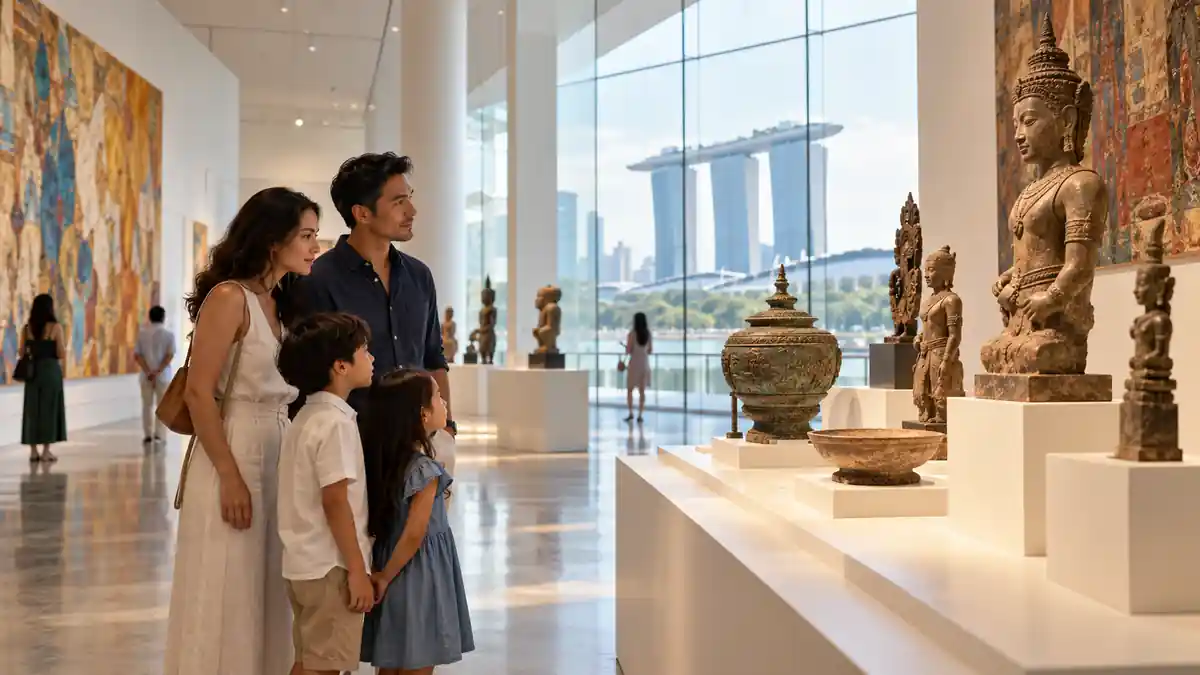
Museums in Singapore cover far more than one version of the nation’s history. You can spend a morning with artefacts from across Asia, explore Peranakan culture, look closely at modern and contemporary art, learn about biodiversity, or follow personal accounts of wartime life. The useful choice is the museum that matches your interests and the time you have, not a single list ranked for everyone.
Exhibitions and galleries change, so check the official museum page before travelling. As of September 2026, the National Museum’s Singapore History Gallery is scheduled to reopen in October 2026, and National Gallery Singapore lists a temporary closure of its UOB Southeast Asia Gallery until late 2027. Both institutions may still offer other exhibitions; a visit should be planned around what is open on your date.
How to choose among museums in Singapore
Start with the kind of question you want answered. For a broad introduction to Singapore’s past, consider the National Museum and check its current programme. For Asian art and cross-cultural exchange, look at the Asian Civilisations Museum. For the material culture and living identities of Peranakan communities, choose the Peranakan Museum. Art, natural history, science and wartime history each have their own institutions.
Next, look at geography and energy. Two museums in the Civic District may combine well, but a third across the island can turn a pleasant day into a series of transfers. A museum visit is not just time spent walking through rooms; you need time to read, pause, eat and perhaps join a tour. Choose one substantial stop or two complementary ones.
Admission varies. The National Heritage Board says Singapore Citizens and Permanent Residents enjoy free admission to its national museums and heritage institutions all year, subject to the particular exhibition or programme terms. That statement does not cover every museum in Singapore or every special exhibition. Check ticket conditions, concessions and advance-booking requirements on the specific institution’s site.
| Interest | Good starting point | Planning note |
|---|---|---|
| Singapore history | National Museum of Singapore | Check the current gallery reopening and temporary exhibition programme. |
| Asian art and cultural exchange | Asian Civilisations Museum | Allow time for the collection rather than rushing through it. |
| Peranakan culture | Peranakan Museum | Look at objects and personal stories together. |
| Modern and contemporary art | National Gallery Singapore or Singapore Art Museum | Check current exhibitions and gallery closures. |
| Art, science and technology | ArtScience Museum | Ticketing can depend on the exhibition chosen. |
| Biodiversity | Lee Kong Chian Natural History Museum | Check NUS visitor information and travel time. |
| Wartime history | Changi Chapel and Museum | Allow a quiet, reflective visit. |
National Museum of Singapore
The National Museum is a natural starting point for people who want to understand the country’s history. The institution traces its origins to 1887 and presents exhibitions, objects and programmes that connect large events with individual experiences. Its historic building is part of the visit, but the current exhibitions should determine what you actually plan to see.
A timely caution matters here. The official museum site says the Singapore History Gallery will reopen in October 2026. If you are visiting before then, do not rely on an older travel guide that describes it as open. Check the museum’s live exhibition listings and decide whether other galleries or programmes suit your interests.
For a first-time visitor, begin by looking at the current floor plan. Pick an exhibition that connects to a question you have about Singapore, then leave enough time to read labels and watch any audiovisual elements. A museum with several temporary offerings can be satisfying even while a major permanent gallery is unavailable, but make that decision with current information.
Who will enjoy it?
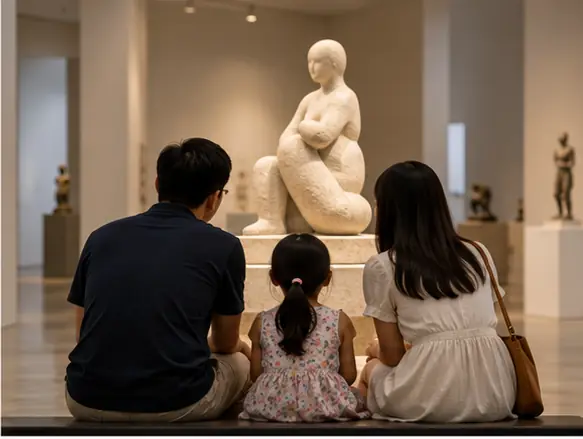
Adults and older children interested in history may appreciate the mix of objects and storytelling. Younger children can still enjoy selected experiences, but the right exhibition and duration matter. Look for family resources or programmes on the official site rather than assuming every display is designed for a young visitor.
If you have only one museum slot and specifically want a chronological history gallery, verify the reopening before buying transport or tickets. If you are more interested in a changing exhibition, check its theme, dates and admission terms. Planning around what is actually available prevents disappointment.
Asian Civilisations Museum
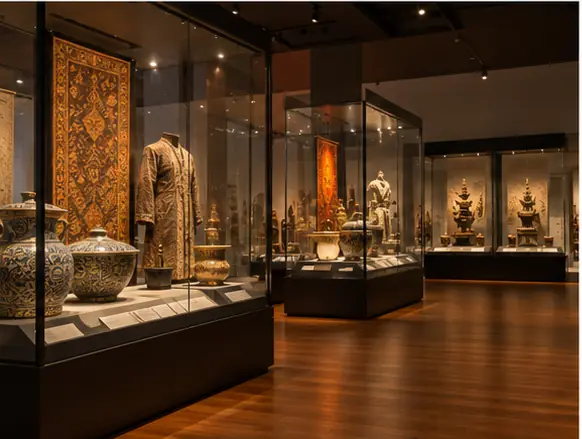
The Asian Civilisations Museum explores artistic traditions and connections across Asia. Objects can reveal trade, belief, craftsmanship and the movement of ideas, rather than presenting cultures as isolated boxes. A visitor can follow materials and techniques as much as dates: look at how an object was made, used, moved and interpreted.
Choose a few galleries or themes on arrival. Trying to read every label in one visit can cause museum fatigue. If you are new to the subject, start with objects that catch your attention and ask what they tell you about their makers and users. A guided tour, when available, can provide a route into unfamiliar material.
The museum’s location near the Singapore River can fit into a broader Civic District walk. That does not mean you must add several attractions in one day. Consider the weather and the amount of standing you can comfortably manage. A slow museum visit followed by a short riverside walk may be enough.
Peranakan Museum
The Peranakan Museum examines communities shaped by cultural exchange in Singapore and the former Straits Settlements. Its exhibits invite close attention to dress, domestic objects, craft, language and personal identity. The value lies in connecting a beautiful object to the people who made, wore or used it, rather than treating it as decoration alone.
The building on Armenian Street has its own history. The museum’s official account says the former Tao Nan School became the Peranakan Museum after earlier museum use. Its present galleries offer a way to consider both heritage and contemporary identity. Do not assume every Peranakan family shares the same practices; the museum’s stories can show variation and change.
This museum pairs well with a measured walk through nearby cultural sites. Check current opening hours and access details before setting out. If a particular exhibition is your reason to visit, confirm whether it is included with general admission or requires a separate ticket.
National Gallery Singapore
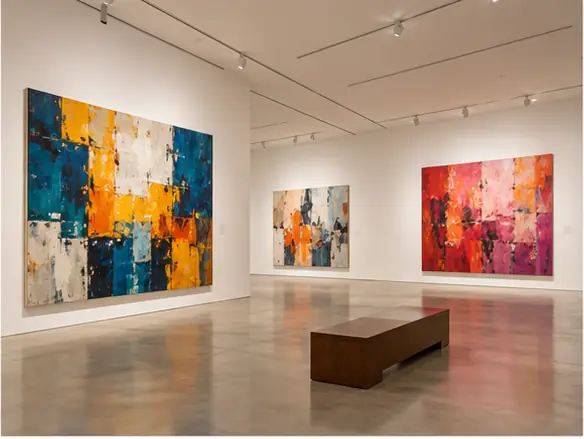
National Gallery Singapore presents art from Singapore and Southeast Asia in a large setting. It suits visitors willing to look closely at paintings, sculpture and other works and to consider the social context around them. The scale is a reason to select a few exhibitions rather than attempting every room in a single sweep.
There is an important current closure: the Gallery’s visitor information says the UOB Southeast Asia Gallery is temporarily closed and scheduled to reopen in late 2027. Works from the National Collection remain displayed elsewhere in the Gallery. Check the live exhibition pages to see what is open on your date instead of cancelling or assuming the whole institution is closed.
The Gallery’s buildings and public spaces can be part of the experience, but follow photography rules around artworks. Give other visitors space to stand back and look. If you bring children, seek out the current family or education offerings and choose a realistic duration for their attention span.
Singapore Art Museum
Singapore Art Museum focuses on contemporary art. Its current visitor information places it at Tanjong Pagar Distripark, an important detail because older articles may describe a different building. Confirm the venue and exhibition address before you travel; a familiar museum name does not guarantee the same entrance it used years ago.
Contemporary works can use video, sound, installation or participatory formats. Read the exhibition introduction and take a moment with each piece before looking for a single “correct” interpretation. Ask how its material, space and audience interaction contribute to its meaning. You need not like every work to have an interesting visit.
Check admission, opening hours and whether a work has content guidance or timed entry. The Distripark location may take longer to reach than a Civic District museum, so treat it as a deliberate destination. A visit can pair with another nearby stop, but leave enough time to explore the exhibition itself.
ArtScience Museum
ArtScience Museum at Marina Bay Sands presents exhibitions that connect art, science, technology and imagination. Its programme changes, and different installations may use different ticket types or entry arrangements. Read the current “what’s on” page rather than assuming the interactive experience shown in a social-media video is still on display.
For families, interactive work can be a strong draw, but the experience depends on a child’s age and tolerance for queues, sound or dark rooms. Check accessibility information and any timed-entry requirement before booking. Give children time to explore one installation instead of hurrying them past every feature.
The location makes it tempting to combine the museum with Marina Bay sightseeing. Budget for walking and weather, especially if you plan outdoor stops afterward. An exhibition ticket is not necessarily a ticket for every programme in the building; confirm what the chosen purchase includes.
Lee Kong Chian Natural History Museum
At the National University of Singapore, the Lee Kong Chian Natural History Museum focuses on biodiversity in Singapore and Southeast Asia. It is a strong choice for visitors interested in animals, ecosystems and scientific collections. Its official site describes a research, education and outreach mission, which adds context to the displays.
A natural history museum is more rewarding when you look beyond the largest specimen. Compare body forms, habitats and the stories of collection and conservation. Ask how scientists know what an object represents and why specimens are preserved. For children, choose a few animals to investigate rather than trying to remember every species name.
The NUS location requires a separate transport plan from downtown museums. Check the museum’s own visitor page for opening days, tickets and the best arrival point. Leave time to find the correct building within campus and avoid a tight schedule after the visit.
Changi Chapel and Museum
Changi Chapel and Museum addresses the experiences of prisoners of war and civilians during the Japanese Occupation. It calls for a more reflective pace than an interactive family attraction. Personal accounts and objects can be difficult but valuable; give yourself time to read and process them.
The museum offers guided options subject to schedules and booking. Check the official page before relying on a tour, particularly for a group. The location at Upper Changi Road North is away from the central cluster of museums, so calculate the full journey and return rather than adding it casually to a crowded itinerary.
Parents should consider a child’s age and readiness for wartime themes. Explaining the historical context beforehand can help. Maintain a respectful tone in galleries and observe photography rules. A quiet pause after the visit can be more appropriate than immediately rushing to another attraction.
Other heritage institutions to consider
The Indian Heritage Centre offers a focused route into the histories and cultures of Singapore’s Indian communities and their regional connections. Reflections at Bukit Chandu explores wartime events through a specific site and its stories. These institutions can complement a broader museum day when your interest is clear, but each deserves its own check of opening hours and current exhibitions.
A smaller institution may provide more useful depth than a large museum if its subject aligns with your curiosity. Look at its programme, visitor guidance and transport rather than judging only by the size of the building. Specialist museums and galleries across Singapore also cover design, community histories and other subjects, but operating arrangements can change quickly.
Check whether a place calls itself a museum, heritage institution, gallery or temporary exhibition space. The label does not determine quality, but it affects expectations. Some spaces have a permanent collection; others revolve around a changing show. Knowing that difference helps you choose a ticket and a visit length.
Free admission and ticket planning
NHB’s free-admission policy for Singapore Citizens and Permanent Residents covers its national museums and heritage institutions. Confirm the conditions for your selected institution and exhibition, including identification requirements and special programmes. Other museums have their own policies. A foreign visitor should not assume that the same admission terms apply.
Ticket prices, promotions and booking windows change. Use an official museum page for the current amount and what it covers. An exhibition may require a timed slot or a separate ticket even where general admission is free. Check refund and re-entry conditions if you are planning several venues in one day.
Budget for transport, food and any paid programme, not just admission. A low-cost museum day can still become tiring if it involves several long transfers. One well-chosen free institution with time to engage is often better value than a rushed set of discount tickets.
Planning a museum day by neighbourhood
Civic District and nearby cultural sites
The National Museum, National Gallery, Peranakan Museum and Asian Civilisations Museum can be considered as part of a central cultural outing, though they are not all next door. Choose two based on their current exhibitions, then map the pedestrian and transit route. Include a meal and a rest. Humidity can make a short outdoor link more tiring than expected.
A pairing with complementary themes can work well: Singapore history and Peranakan identity, or Asian art and modern Southeast Asian art. Avoid assuming you need to see everything the first time. The city’s museums reward repeat visits, particularly as temporary exhibitions change.
Marina Bay, Tanjong Pagar and NUS
ArtScience Museum fits naturally with a Marina Bay day. Singapore Art Museum at Tanjong Pagar Distripark and Lee Kong Chian Natural History Museum at NUS are better treated as separate destinations unless you have a clear reason to combine them with another stop. Calculate transport door to door, not only the time spent on a train.
For a rainy day, check whether the route from transit to the entrance is covered. A museum can provide indoor activity, but the last walk may still be exposed. Bring a small umbrella and protect tickets or belongings from rain.
How long to spend inside
A large art museum can absorb several hours, while a focused heritage exhibition may be satisfying in a shorter visit. The right duration depends on how much you read, whether you join a tour and how often you rest. Do not copy a generic “one hour per museum” rule. Look at the current floor plan and choose a realistic route.
Museum fatigue is real. After many labels, objects can blur together. Sit when seating is available, drink water in permitted areas and take a meal break. If you are with a group, agree on a meeting point and let people explore at different speeds. The slow reader and the fast browser need not stand together at every case.
With children, plan around one or two engaging sections and an exit before everyone is exhausted. A second visit is possible; forcing the entire building into one afternoon may make the experience less inviting next time.
Museums with children
Choose a subject that already interests the child. Animals at a natural history museum, an interactive art-and-science exhibition, or stories about everyday objects can open a conversation. Check age guidance, family trails and current programmes directly. An adult’s favourite collection may not hold the attention of a preschooler for hours.
Before entering, explain basic gallery rules: look closely, touch only where invited, use a quiet voice and give other visitors room. A simple question such as “What do you notice first?” can be more productive than asking a child to memorise dates. Let them choose an object to discuss and connect it to something familiar.
Bring a small snack for an appropriate break outside galleries, and locate toilets early. Stroller access and lift routes vary by building. If a child has sensory needs, check for quiet spaces, lighting and sound information, and choose a time with fewer crowds if possible.
Accessibility and visitor comfort
Look up step-free entrances, lifts, accessible toilets, seating and any wheelchair or sensory resources on each institution’s visitor page. A heritage building may have several entrances with different routes. Contact the museum about a specific need rather than relying on a general statement that it is accessible.
Some exhibitions use dim light to protect objects or intense sound as part of an installation. Reading the current accessibility or content guidance helps you prepare. Bring reading glasses if labels are difficult for you, and use audio or guided resources when available. Do not assume every tour is included or offered daily.
Photography rules vary by exhibition. Flash, tripods and filming may be restricted. Check signs before photographing an object, and avoid blocking another visitor’s view. For an artwork under copyright, personal photography permission does not necessarily grant commercial reuse.
What to check before leaving home
Open the institution’s official page on the day of travel. Confirm opening hours, the exact exhibition you want, temporary closures, admission terms and whether booking is required. Check the address because a museum may use a temporary venue or several buildings. Save the ticket and transit route where you can access them without a weak connection.
Read the current programme rather than an old “best museums” list. The Singapore History Gallery closure and UOB Southeast Asia Gallery closure are examples of details that can change a visit. A museum can remain open while a signature gallery is not. Verify the specific experience you want, not merely the building’s general status.
If going with others, agree on one or two priorities. A person interested in painting and another interested in natural history may prefer separate visits or a compromise across two days. A clear plan still leaves room to discover an unexpected exhibition.
Making the most of an exhibition
Read the introductory panel for the curator’s central question, then choose a few objects to examine carefully. Look at materials, dates and provenance. Ask whose viewpoint is represented and whose might be missing. A museum label is a starting point for thought, not the end of it.
Compare two objects across rooms. What changed in technique, use or audience? If a gallery includes personal testimony, allow the speaker’s voice to matter alongside the institution’s narrative. In an art exhibition, consider how a work’s scale and placement affect your response. You can disagree with an interpretation without dismissing the work.
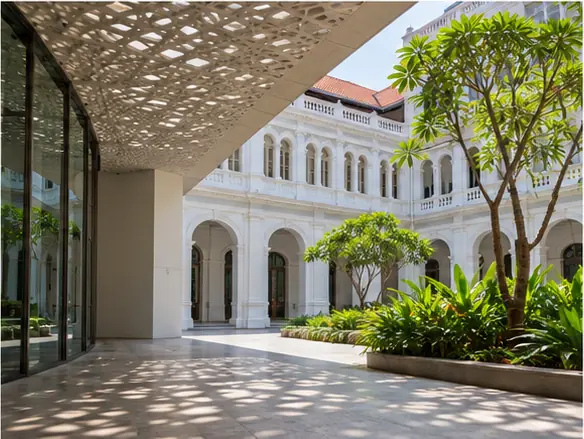
When a question remains, look for a catalogue, official resource or staff member. Do not invent a story for an object because its appearance suggests one. Museums often reveal more when you return to a work after seeing the rest of the room.
Common planning mistakes
One mistake is treating admission as the same across every institution. NHB’s policy has a defined scope, and special exhibitions may differ. Another is assuming an old review reflects the current exhibition. Check closure notices and ticket types before leaving home.
Visitors also overbook. Three large museums plus sightseeing can mean little time for any collection. Pick a main institution and an optional second stop. Finally, do not use a museum only as an air-conditioned shelter from rain without checking what it offers. A modest amount of preparation helps you leave with a story or idea, not just a list of rooms visited.
Frequently asked questions about museums in Singapore
Which museum is best for Singapore history?
The National Museum of Singapore is a natural starting point. Check its current exhibitions: the Singapore History Gallery is scheduled to reopen in October 2026.
Are museums in Singapore free?
Some are free for eligible Singapore Citizens and Permanent Residents under NHB’s policy. Other museums and special exhibitions have different charges, so check each official visitor page.
Which museum is best for Southeast Asian art?
National Gallery Singapore is a strong choice. Its UOB Southeast Asia Gallery is temporarily closed until late 2027, but works from the collection are displayed elsewhere; check current galleries.
Where is Singapore Art Museum now?
Its visitor information lists Tanjong Pagar Distripark. Confirm the exact entrance, exhibition and hours before travelling.
Which museum suits children?
Choose by the child’s interest. Natural history, interactive art-and-science exhibitions or a current family programme can work well; check age and sensory guidance.
Can I visit two museums in one day?
Yes, if they are reasonably connected and you leave enough time to read and rest. One main museum with an optional second is a comfortable plan.
Do I need to book tickets in advance?
It depends on the institution, exhibition and date. Check official booking and timed-entry rules before travel, especially for a temporary show.
Is photography allowed?
Rules vary by gallery and artwork. Look for signs about flash, tripods and filming, and respect other visitors and any copyright restrictions.
How can I check current closures?
Use each museum’s official visitor and exhibition pages. A building may be open even when a major gallery is closed for upgrading.
Choose a museum that answers your curiosity
The best museums in Singapore for your day are the ones whose current exhibitions match what you want to learn. Check official hours and closures, pick a manageable route and leave time to look closely. A single thoughtful visit to an art, history, natural history or heritage institution can be more satisfying than racing through several.
Start with the subject, verify the open galleries, and let an object or story lead you further. Singapore’s museum landscape offers enough variety that another visit can always take a different direction.
Sources
- National Gallery Singapore: Visitor information
- National Gallery Singapore: Family guide
- National Museum of Singapore: Admissions and opening hours
- National Museum of Singapore: Visitor guide
- National Museum of Singapore: Getting here