

 By admin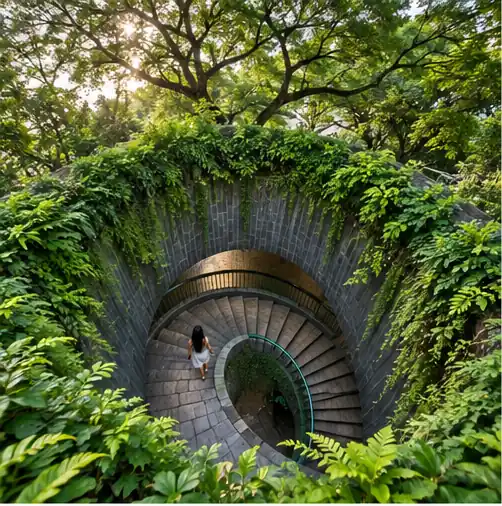
The Fort Canning Tree Tunnel is a pedestrian underpass in central Singapore that has become a much photographed meeting point between city infrastructure and tropical greenery. From the lower approach, a circular opening frames a mature tree canopy above the stairway. The view is striking, but the place is also a working pedestrian route, so a considerate visit matters as much as getting a photograph.
The tunnel is beside Fort Canning Park, a large historic green space bounded by Hill Street, Canning Rise, Clemenceau Avenue and River Valley Road. Park entrances, slopes and nearby MRT stations are spread around the hill; plan for the exact entrance rather than assuming the station named after the park opens beside the tree tunnel. The official NParks Fort Canning Park page provides current park directions and visitor information.
What is the Fort Canning Tree Tunnel?
The name generally refers to the pedestrian underpass and its distinctive stairway, where an opening above the stairs frames a tree when viewed from below. It sits near the edge of Fort Canning Park, connecting pedestrian routes around Canning Rise and Penang Road. The tunnel itself is a passage through a built environment; the memorable image comes from the circular opening, the curved stairway and the greenery above.
It is useful to distinguish this spot from Fort Canning Tunnel, the road tunnel beneath the hill. They share a name and are in the same central area, but the tree tunnel is a pedestrian photo location, while the road tunnel carries vehicles. Search maps carefully and follow pedestrian signs so you arrive at the correct entrance.
The spot is not a ticketed attraction with a visitor centre, exhibits or a dedicated queue-management system. It is part of a public route. People use it to pass through, reach nearby park paths and take photographs. That mixed purpose explains why visits work best when they are brief and considerate, especially when other visitors are waiting or trying to walk through.
Why the tree tunnel is popular
The view creates a natural frame. Looking upward from the lower landing, the circular opening can make the tree canopy appear like a green ceiling, while the curve of the staircase draws the eye toward the sky. In a dense central district, that contrast between concrete, stone and foliage makes a memorable photograph without elaborate equipment.
Its popularity also comes from accessibility as a short stop. Visitors exploring the central area can add it to a walk that includes Fort Canning Park, nearby museums or the Singapore River. A quick photograph may take only a few minutes, while a broader visit can fill several hours with gardens, heritage features and shaded paths.
Social media has made the composition familiar, which means visitors sometimes arrive expecting the location to be quiet or to have a particular lighting effect. Conditions change with weather, maintenance and the number of people present. Treat the well-known image as inspiration, not as a guarantee that the exact scene will be available on arrival.
What to expect when you arrive
The approach is more urban than a forest trail. You may hear traffic and encounter pedestrians using the underpass as part of their route through the neighbourhood. The circular view is the visual highlight, while the surrounding park provides the quieter greenery. This contrast is part of the location’s character and helps set realistic expectations before you travel.
There may be visitors taking portraits, people walking through, and short pauses as groups arrange a camera. If a queue forms, wait to one side where there is room and avoid occupying the stairs for an extended session. If there is no clear place to wait safely, explore another part of the park and return later.
Public spaces can be temporarily affected by maintenance, events or safety measures. Follow any barriers or notices and do not enter closed areas to recreate a photograph. A changed angle or a different path is preferable to ignoring instructions or placing yourself and others at risk.
Where it is and how to find it
The Tree Tunnel lies on the edge of Fort Canning Park near Canning Rise and Penang Road. Because Fort Canning Park covers a hill and has several entrances, “go to Fort Canning” is not precise enough for this particular stop. Use a map pin for the pedestrian tunnel, check your walking route, and confirm which side of the road you need before setting off.
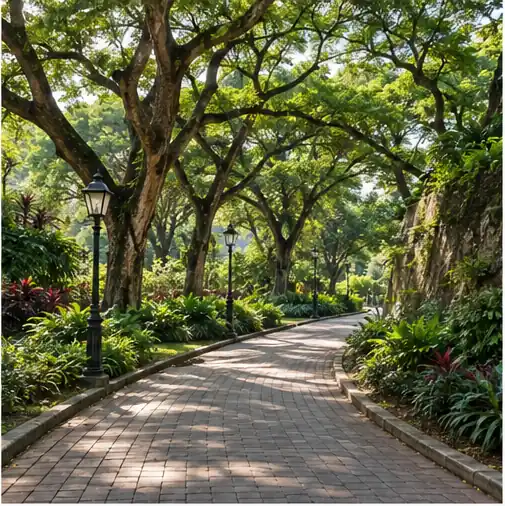
The park is bounded by several major roads, and pedestrian access points lead to different parts of the hill. A route that is convenient for the Fort Canning MRT station may bring you to another park entrance, not necessarily the tree tunnel. Likewise, reaching the tunnel first does not mean you are at the top of the park or close to every other attraction.
NParks lists Fort Canning Park as open 24 hours and identifies Clarke Quay, Dhoby Ghaut and Fort Canning MRT stations among nearby stations. That describes the park’s general setting, not every facility or access route. Consult the official visitor page and park map before travel, particularly if you need a step-free entrance.
Getting there by MRT
Several MRT stations can work, depending on where you are starting and which part of the park you want to see. Fort Canning station is on the Downtown Line and provides access to the park area, while Dhoby Ghaut and Clarke Quay serve other approaches. The shortest route on a map may involve a steep path, stairs or a street crossing, so choose based on the actual entrance and your mobility needs.
Before leaving the station, check the station exits and walking directions. Singapore’s underground stations can have multiple exits separated by busy roads. If the map suggests a brief walk but the route appears to climb the hill, that may be correct: the park sits on elevated ground, and the underpass entrance is at a different level from some park destinations.
Visitors travelling with children, older relatives or mobility aids should check route gradients and step-free access in advance. NParks notes wheelchair access to Fort Canning Park from the drop-off point at Cox Terrace roundabout. Do not assume that the Tree Tunnel stairs themselves are step-free simply because part of the park has an accessible route.
Getting there by bus, taxi or car
Bus stops around Hill Street, River Valley Road and the surrounding central district may be useful, depending on the route. Check a live transit planner for current service numbers and stop locations; routes and stop arrangements can change. For a taxi or ride-hailing trip, choose a legal drop-off point near the intended entrance and expect to walk the final section.
Driving directly to the tunnel is usually less convenient than using public transport or walking from a nearby destination. Fort Canning Park has car parks, but parking availability, access roads and charges can vary. A car park at one side of the hill may still leave a substantial walk to the tunnel and back.
When combining the visit with other central attractions, consider walking between them rather than moving a car for each stop. The area is compact on a city map, but heat, rain, slopes and crossings affect walking time. Add a buffer, carry water and choose covered routes when the weather turns wet.
Best time to visit for a photograph
Early morning is often a practical choice for visitors who want a calmer walk and softer daylight. It can reduce the chance of arriving during the busiest part of the day, although quiet conditions are never guaranteed. Weekends, public holidays and school breaks may bring more visitors, and people can gather quickly when someone begins taking portraits.
Light changes throughout the day. The circular opening may look bright when the sky is clear, while cloudy weather creates a softer and more even exposure. Rain can make steps slippery and affect visibility, so take extra care and avoid rushing to capture a shot. The stairs remain a pedestrian route in every weather condition.
If you have flexibility, visit on a weekday and be prepared to wait briefly or return later. Do not block the passage while checking camera settings. Taking a few test frames from a safe position before others arrive can help you work efficiently and leave the route clear.
How to take a respectful photo
First, observe how people are using the space. Let pedestrians pass before you choose a position, and do not stand in the middle of a landing or on a step where others need to walk. If a small group is taking turns, ask politely whether they are nearly finished rather than stepping into the frame.
A phone camera is usually enough. Use the main lens or a modest wide angle to include the opening and the stairway, then check that the vertical lines do not become distracting. Hold the device securely, especially near the edge of a stair. A tripod or a large camera setup can obstruct movement and may be inappropriate in a confined public passage.
For portraits, take turns efficiently. Agree on a small number of frames, avoid directing strangers to move, and do not ask anyone to climb onto barriers or lean over an edge. If you photograph other visitors clearly, respect their privacy and avoid posting identifiable images without permission when practical.
Commercial photography and filming have different rules from casual personal snapshots. NParks directs people to apply for permits for filming and commercial photography in parks and nature reserves, and its Fort Canning page says requests relating to the Tree Tunnel should be directed to the Land Transport Authority. Confirm the relevant authority and approval before arranging a professional shoot.
What to see in Fort Canning Park
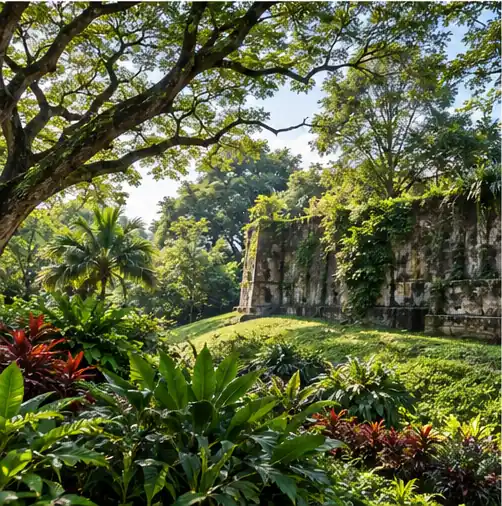
The tunnel is a small part of a much larger park. Fort Canning Park combines landscaped gardens, mature trees, heritage features, open lawns and routes across a historic hill. Visitors who travel only for a photograph may miss the quieter paths and interpretive features that make the wider visit rewarding.
NParks highlights the park’s heritage and plant life, including its spice garden and heritage trees. The park also has trails and guided heritage activities. The NParks Fort Canning activities page is a good starting point for checking current walks and programmes; offerings may vary by date.
Allow some time to explore the hill at a comfortable pace. Read interpretive signs, notice the changes in vegetation and take breaks in suitable public areas. A route that looks short can involve stairs and inclines, so plan a manageable loop rather than trying to cover every path during a short stop.
Gardens and trees
The park’s gardens introduce visitors to plants associated with Singapore’s botanical and trade history, while the mature trees give the hill its shaded character. NParks’ tree information describes notable heritage trees around the park. These living features change with the seasons and weather, so the experience is not limited to a single flowering display.
Keep to marked paths and avoid stepping into planted areas for a better photograph. Do not climb trees or disturb roots, flowers and wildlife. The park is a shared urban green space, and staying on the path helps protect the landscape while making it easier for others to move through.
Heritage and history
Fort Canning Hill has a layered history, and the park’s heritage features interpret parts of that past. Rather than treating every old structure as a photo prop, take time to read the context provided on site. The role and access conditions of individual heritage spaces differ, and some require separate admission or scheduled tours.
For example, the Battlebox is a separate historic site within the park area with its own visitor information and booking requirements. Check the operator’s current details before planning a visit. A public park route does not automatically grant access to every interior space or guided experience nearby.
Suggested short visit itinerary
If you have about an hour, begin at the correct entrance, visit the Tree Tunnel briefly and continue to one nearby park feature. Pause for water and check the map before choosing your next path. This keeps the outing relaxed and leaves room for the slopes and crossings.
For a half-day, combine a walk through the park with a museum or heritage attraction in the central area. Select one main indoor stop and one outdoor route instead of trying to visit every nearby institution. Singapore’s heat and sudden showers can make an ambitious walking plan tiring.
If the tunnel is busy, reverse the order: start with the gardens or heritage trail and return later. This avoids standing in a crowd and allows the day to feel like more than a wait for a single photograph. Verify opening hours and admission for any indoor venue separately.
Accessibility and comfort
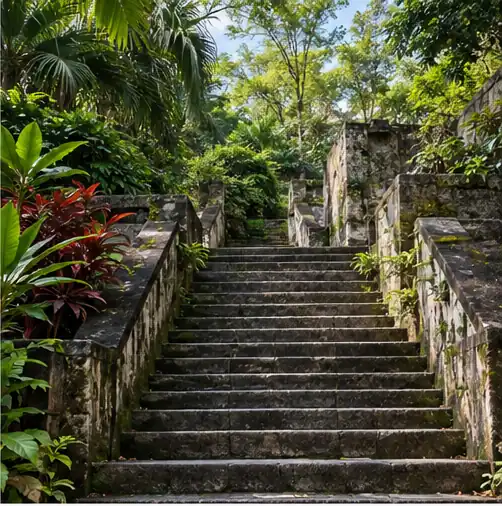
Fort Canning Park has slopes, steps and multiple entrances. The tunnel stairway shown in the familiar view is not an accessible route for visitors who cannot use stairs. If step-free travel is needed, review the park’s accessibility details and contact the relevant operator if the information does not answer your question.
Wear shoes with reliable grip. Smooth soles can be uncomfortable on wet steps, and sandals may offer less stability on steep paths. Bring water, sun protection and a compact umbrella; shade is available in parts of the park, but not every stretch is covered.
Visitors with strollers may need to choose a different route around the hill. A route suitable for a lightweight pushchair in dry weather may be difficult after rain or where steps interrupt the path. Plan for breaks and avoid carrying more than you need.
Rules, safety and respectful behaviour
Follow posted signs, keep to public paths and give way to people using the passage. Do not sit or place equipment across steps, block the entrance, or leave belongings unattended. If staff or authorities ask visitors to move along, follow their instructions promptly.
Take extra care on wet surfaces and near road crossings. The photo angle can tempt people to step backward without looking; check your surroundings before moving. Keep children close, especially around stairs and the edge of the path.
Do not attach decorations, lighting or props to trees, railings or public structures. Avoid amplified sound and any setup that inconveniences others. For organised events, group activities, professional filming or commercial shoots, consult the relevant authority and apply for permissions where required.
Common planning mistakes
- Using the wrong map pin: The park, road tunnel and pedestrian tree tunnel are different destinations. Confirm the walking entrance.
- Assuming every route is flat: Fort Canning is a hill. Check gradients, stairs and step-free access before setting out.
- Expecting an empty photo spot: The location is popular and remains a public passage. Be flexible and patient.
- Planning only around the photograph: Add a garden, trail or nearby attraction so the trip is worthwhile even if conditions are busy.
- Ignoring rain and heat: Carry water and footwear with grip, and adjust your plan when the weather changes.
- Relying on outdated transport directions: Check live transit information and current park guidance on the day.
Is the Fort Canning Tree Tunnel worth visiting?
It is worth a stop if you enjoy urban photography, public spaces or a short walk through central Singapore. The tunnel itself is not a large attraction, so expectations should match its scale. The best visit combines the distinctive view with a little time in the surrounding park.
Travelers with limited time can make it a brief stop between other central destinations. People seeking a longer nature experience should explore more of Fort Canning Park or choose another green space as well. The tunnel is a memorable entry point, not a substitute for discovering the hill.
For more Singapore trip ideas, browse the Singapore section of Lion City Herald or return to the Lion City Herald homepage. The park’s latest directions, access notes and programme information should always come from NParks.
Frequently asked questions
Where is the Fort Canning Tree Tunnel?
It is a pedestrian underpass beside Fort Canning Park near Canning Rise and Penang Road in central Singapore. Use a map pin for the pedestrian tunnel rather than the road tunnel.
Is the Fort Canning Tree Tunnel free?
The pedestrian passage is a public route and does not have a separate ticket booth. Nearby indoor attractions or guided programmes may charge admission.
What are the opening hours?
NParks lists Fort Canning Park as open 24 hours. Facility, event and access arrangements can differ, so check current notices before travelling.
Which MRT station should I use?
Fort Canning, Dhoby Ghaut and Clarke Quay stations serve the surrounding area. The best station depends on the entrance and walking route you need.
Can wheelchair users access the Tree Tunnel?
The popular stairway viewpoint is not step-free. NParks notes wheelchair access to the park from the Cox Terrace roundabout drop-off point; check the latest accessibility information for your route.
When is the best time to take photos?
Weekday mornings may be calmer, but crowd levels and light vary. Visit flexibly, keep the walkway clear and take care on wet stairs.
Can I use a tripod or arrange a photoshoot?
Casual photography should not obstruct other people. Commercial photography and filming may need permits; check NParks and LTA guidance for the exact location and activity.
Is Fort Canning Tree Tunnel the same as Fort Canning Tunnel?
No. The Tree Tunnel refers to a pedestrian underpass and stairway viewpoint. Fort Canning Tunnel is the separate road tunnel beneath the hill.
How long should I spend there?
A quick photo stop may take only a short time, depending on crowds. Add at least an hour or more if you want to explore park paths and heritage features.
Plan a thoughtful visit
The Fort Canning Tree Tunnel is a small place with a recognisable view, set within a much larger landscape of trees, gardens and heritage. Check the correct entrance, choose a comfortable route and leave space for other pedestrians. A good visit respects both the photograph and the public path.
Conditions can change, so use official park information for access and current activities. If the tunnel is busy, enjoy another part of the hill and return when it is quieter. Fort Canning Park offers enough to make the outing worthwhile beyond a single frame.
Sources
- NParks: Fort Canning Park visitor information
- NParks: Getting to Fort Canning Park (map PDF)
- NParks: Trees of the Fort walking trail (PDF)
- NParks: Fort Canning heritage walks
- LTA: Fort Canning Tunnel operations and safety