

 By admin
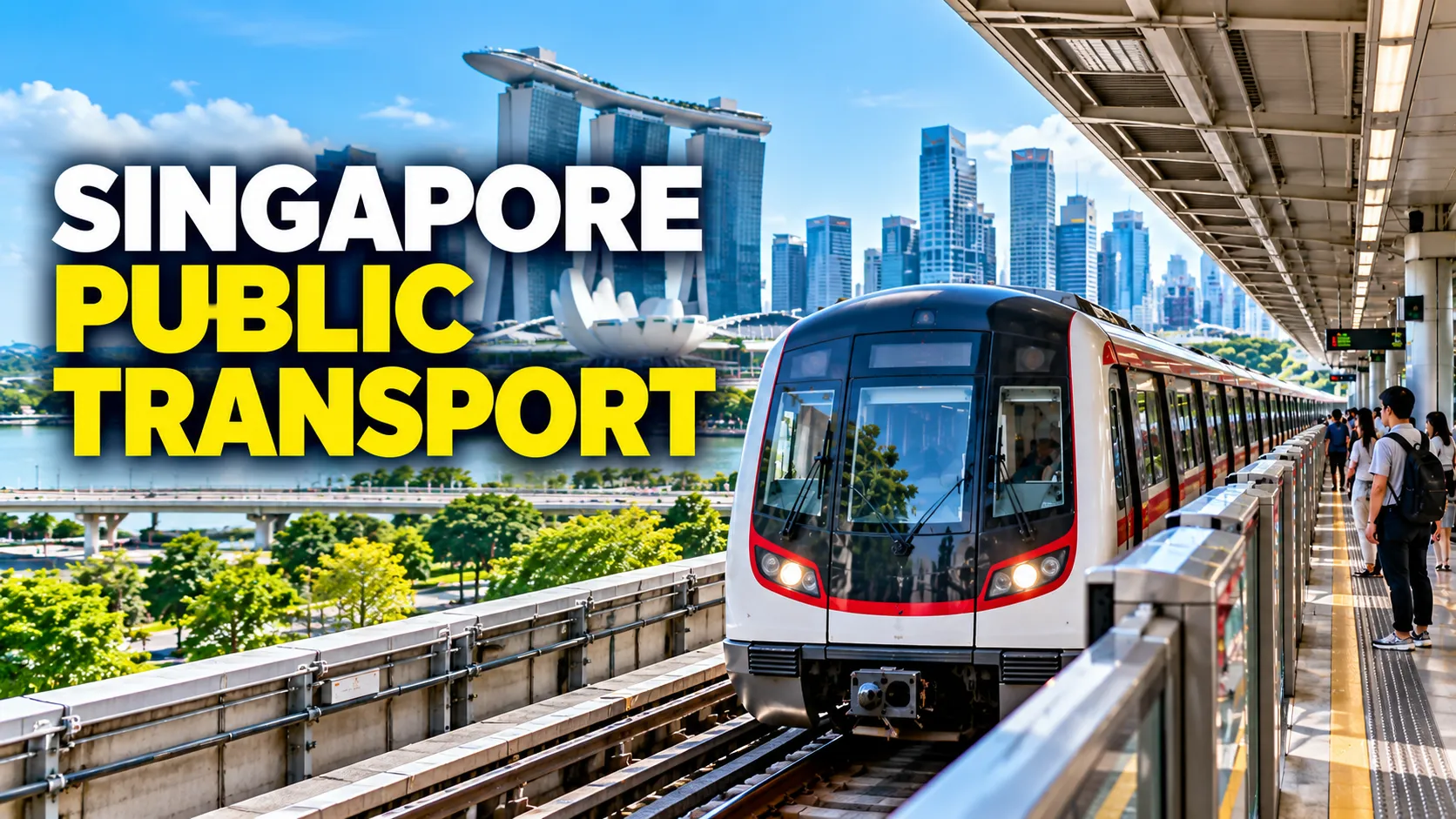
Singapore public transport connects residential neighbourhoods, workplaces, shopping districts and popular attractions through an extensive network of MRT trains, public buses and LRT services. For residents, it is part of the daily commute; for visitors, it is a practical way to explore the city without relying on taxis for every trip. The system uses distance-based fares, with several payment options including contactless bank cards, mobile wallets and transit cards. But which option should you choose, and how much should you budget? Here’s how Singapore public transport works, how to check fares, and what to know before your next journey.
TL;DR: Singapore Public Transport at a Glance
Singapore public transport mainly consists of MRT trains, public buses and LRT services in selected neighbourhoods. You can pay using supported contactless bank cards, mobile wallets or transit cards, while cash is accepted on public buses at higher fares. Adult fares depend on travel distance. Use the official LTA journey planner to check routes, estimated travel times and exact fares before leaving home.
Types of Public Transport in Singapore
1. Mass Rapid Transit (MRT)
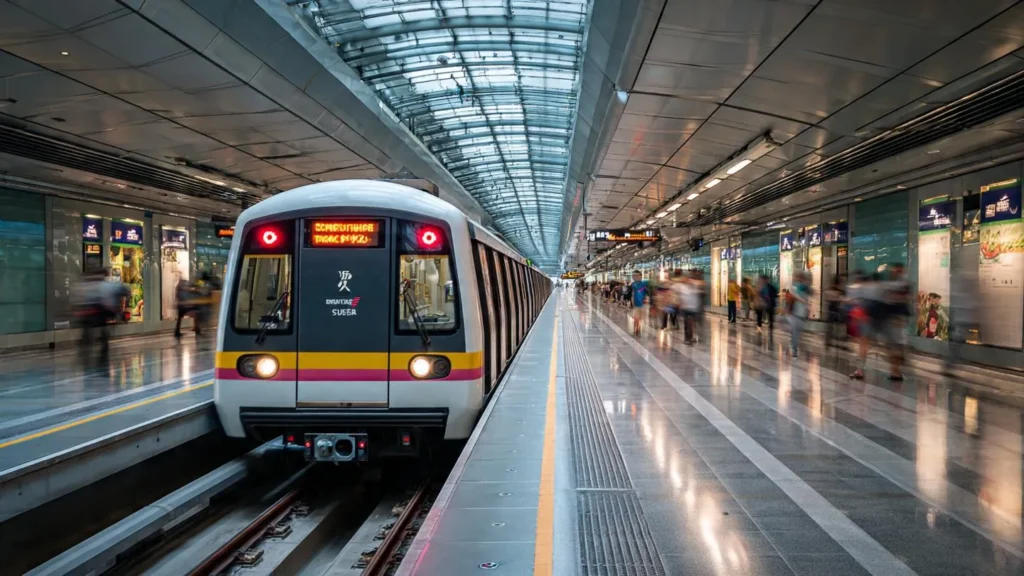
The Mass Rapid Transit (MRT) system is a convenient way to travel between major residential areas and destinations across Singapore. The rail network includes lines such as the North-South, East-West, Circle, Downtown, North East and Thomson-East Coast lines. Interchange stations let you switch between lines to reach your destination.
MRT services are useful for trips to areas such as Orchard Road, Marina Bay and the Central Business District. Check the route map before travelling, especially if your journey involves changing trains.
2. Public Bus Services and Feeder Buses
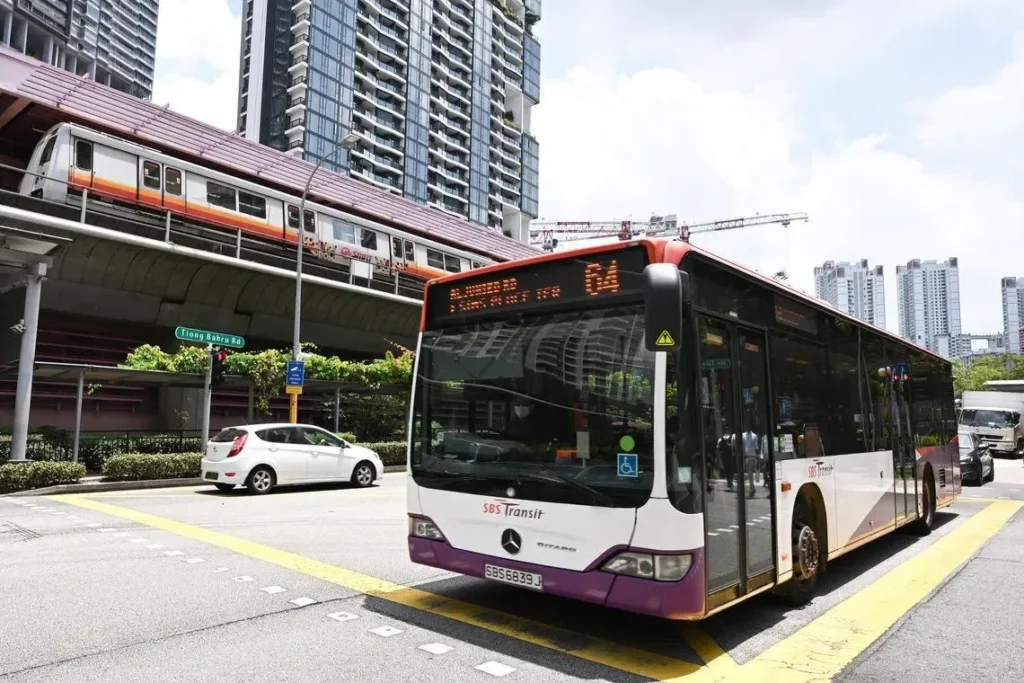
Public buses reach streets and neighbourhoods that may not be directly beside an MRT station. Feeder buses connect residential estates with nearby train stations, bus interchanges and local amenities.
For many residents, a bus and MRT combination is part of the regular journey to work or school. You can check bus arrival times and service information through the MyTransport.SG app.
3. Light Rail Transit (LRT)
LRT services operate in selected residential areas, including Bukit Panjang and the Sengkang–Punggol area. These trains provide local connections to the wider rail network and nearby neighbourhoods.
4. Taxis, Ride-Hailing and Ferries
Taxis and ride-hailing services can be useful when you have heavy luggage, need a direct journey or are travelling somewhere less convenient by public transport. Ferries serve selected island destinations, so check the relevant operator’s schedule before making plans.
Singapore Public Transport Fares and Costs
How Distance-Based Fares Work
Singapore uses a distance-based fare structure for basic bus and train services. Your fare depends on the distance travelled, and eligible transfers can be included in a single journey fare when you follow the transfer rules.
Adult Card Fares vs Cash Fares
The table below shows selected adult basic bus fare examples from the PTC fare schedule available on 16 October 2026. These rates apply before the announced fare adjustment takes effect on 26 December 2026.
| Journey distance | Adult card fare | Adult cash fare |
|---|---|---|
| Up to 3.2 km | S$1.28 | S$2.10 |
| 3.3–4.2 km | S$1.38 | S$2.30 |
| 4.3–5.2 km | S$1.49 | S$2.30 |
| 5.3–6.2 km | S$1.59 | S$2.30 |
| 10.3–11.2 km | S$1.90 | S$2.70 |
These are selected examples, not a complete fare chart. MRT and LRT card fares follow the applicable distance-based structure, while bus cash fares are charged per ride. Check your actual journey using the official LTA fare calculator.
Upcoming fare change: From 26 December 2026, adult card fares will rise by 12 cents for journeys up to 3.2 km and 13 cents for longer journeys. Adult cash fares will rise by 20 cents per journey. Monthly pass prices will remain unchanged under the 2026 fare review.
Concession Fares and Monthly Passes
Eligible students, senior citizens, persons with disabilities and other concession groups may qualify for lower fares. The adult Monthly Travel Pass costs S$122 and covers unlimited travel on basic bus services and trains for the pass period. It may suit regular commuters who make frequent trips throughout the month. Check the PTC fare and pass information for eligibility and current details.
How to Pay for MRT and Buses in Singapore
There are several ways to pay for Singapore public transport, and the best option depends on how often you travel. Residents who commute regularly may prefer a transit card or an eligible concession card, while visitors may find contactless bank cards easier for a short stay.
Contactless Bank Cards and Mobile Wallets
Supported Visa, Mastercard, American Express and NETS contactless cards can be used for adult public transport fares, subject to the relevant card and payment conditions. Compatible mobile wallets are also accepted. You do not need to top up a separate transit card when paying directly with an eligible bank card.
Foreign-issued bank cards incur an administrative fee, so check the current charges before using one for multiple trips.
SimplyGo and EZ-Link Cards
SimplyGo EZ-Link cards are useful for people who prefer a dedicated travel card. Depending on the card, you can top up the balance and check fare transactions through the SimplyGo app. This can be handy for regular commuting or for travellers who would rather not use a bank card for every ride.
Singapore Tourist Pass
The Singapore Tourist Pass offers unlimited travel on basic public buses, MRT and LRT trains for its available one-, two- or three-day validity periods. It may be worth considering if you plan to make frequent journeys during a short visit. Compare the pass price with your expected fares before buying it.
Cash and Concession Cards
Cash is accepted on public buses, but you must pay the exact fare because no change is provided. Cash cannot be used as a payment method for MRT rides. Eligible commuters should check concession card options, which may offer lower fares or access to monthly passes.
| Payment method | Best suited to | What to check |
|---|---|---|
| Contactless bank card | Occasional trips and short visits | Foreign-card fees and compatibility |
| Mobile wallet | Travellers using a supported phone or watch | Supported cards and device setup |
| SimplyGo EZ-Link | Regular travel using a dedicated card | Balance, top-ups and card terms |
| Singapore Tourist Pass | Visitors taking frequent trips over a few days | Validity, price and coverage |
| Concession card | Eligible students and other concession groups | Eligibility and concession rates |
| Cash | Occasional bus journeys | Exact fare required; no change given |
How to Use Singapore MRT and Buses
Check the Route and Station Exits
Before leaving, check your destination, interchange stations and the exit closest to your intended location. Large stations may have several exits serving different streets or buildings. A little route planning can save a fair amount of walking.
Tap In and Tap Out Correctly
At MRT stations, tap your payment card or device at the fare gate when entering and leaving. On buses, tap when boarding and when alighting. Use the same physical card or the same mobile device for both taps, even if the physical card and its digital version are linked to the same bank account.
Follow Bus Boarding and Alighting Rules
Prepare your payment method before reaching the reader. Watch the route number and destination display, and press the stop button before your intended stop if needed. If you are unsure where to get off, check the route in advance.
Understand Transfers Between Services
Eligible transfers between buses and trains can be charged under the distance-based fare structure, provided the journey meets the transfer conditions. These include time limits and restrictions on repeating the same bus service or exiting and re-entering the same train station. Check the current LTA journey and fare information if your route involves several transfers.
How to Plan Your Journey in Singapore
Changi Airport to the City by MRT
Changi Airport is connected to the MRT network through Changi Airport station. Depending on your destination, you may need to change trains to reach your hotel or neighbourhood. Check the route and estimated journey time before travelling, especially if you arrive late or have luggage.
MyTransport.SG and SimplyGo Journey Planner
The LTA journey planner helps you check routes, estimated travel times and fares. The MyTransport.SG app also provides bus arrival information, station exits and train operating times. SimplyGo is useful for checking supported transit card details and fare transactions.
Operating Hours and Practical Commuter Tips
First and Last Train Timings
MRT operating hours vary by line and station. Many services begin around 5:30 am and run until around midnight, but these are general timings, not a guarantee for every route. Check the relevant operator’s latest schedule before an early or late journey.
Peak-Hour Travel and Service Updates
Weekday morning and evening commutes can be busy, especially at major interchange stations. Allow extra time if you have an appointment, and check service announcements for delays or planned maintenance.
Accessibility and Concession Options
Passengers who need step-free access should check station facilities and accessible route information before travelling. Eligible students, senior citizens and other concession groups can also review their available fare options through official transport channels.
Frequently Asked Questions
1. How does public transport work in Singapore?
Singapore public transport connects the island through MRT trains, buses and LRT services. You can plan routes online and pay using supported contactless cards, mobile wallets or transit cards.
2. How much does public transport cost in Singapore?
Adult basic bus and train fares depend on distance. Before the December 2026 fare adjustment, adult card fares start at S$1.28 for journeys up to 3.2 km; check the official fare calculator for your trip.
3. Can tourists use contactless cards on the MRT and buses?
Yes, supported contactless bank cards and mobile wallets can be used for adult fares. Foreign-issued cards may incur administrative fees, so check the charges first.
4. Is the Singapore Tourist Pass worth it?
It can suit visitors who plan to take frequent bus and train journeys over one, two or three days. Compare the pass price with your expected travel costs before purchasing.
5. Which app is best for Singapore public transport?
MyTransport.SG is useful for route planning, bus arrival times, station exits and train operating information. The SimplyGo app helps users check supported card details and fare transactions.
6. How do you check MRT and bus timings?
Use the LTA journey planner or MyTransport.SG app to check routes and service information. For the latest operating hours, also check the relevant train or bus operator.
Conclusion
Singapore public transport is practical for daily commuting and exploring the city. Check your route and fare before travelling, use the payment method that suits your journey, and confirm service timings if travelling early or late. A little planning can make each trip easier.

[…] Singapore Public Transport: How to Travel, Pay and Plan Your Journey Singapore MRT Fare Guide: Fares, Payment Methods & Travel Tips Singapore MRT Card Guide: Prices, Best Options & How to Use Them Yio Chu Kang MRT Guide 2026: Exits, Routes & Nearby Places Jurong East MRT Guide: Lines, Exits & Nearby Places Woodlands MRT Guide: Routes, Exits and Nearby Places Yishun MRT Guide: Exits, Bus Interchange & Nearby Places Khatib MRT Guide: Train Timings, Exits & Nearby Places Bishan MRT Guide 2026: Exits, Timings, Lines & Nearby Places Ang Mo Kio MRT Guide 2026: Exits, Routes & Nearby Places […]