

 By admin
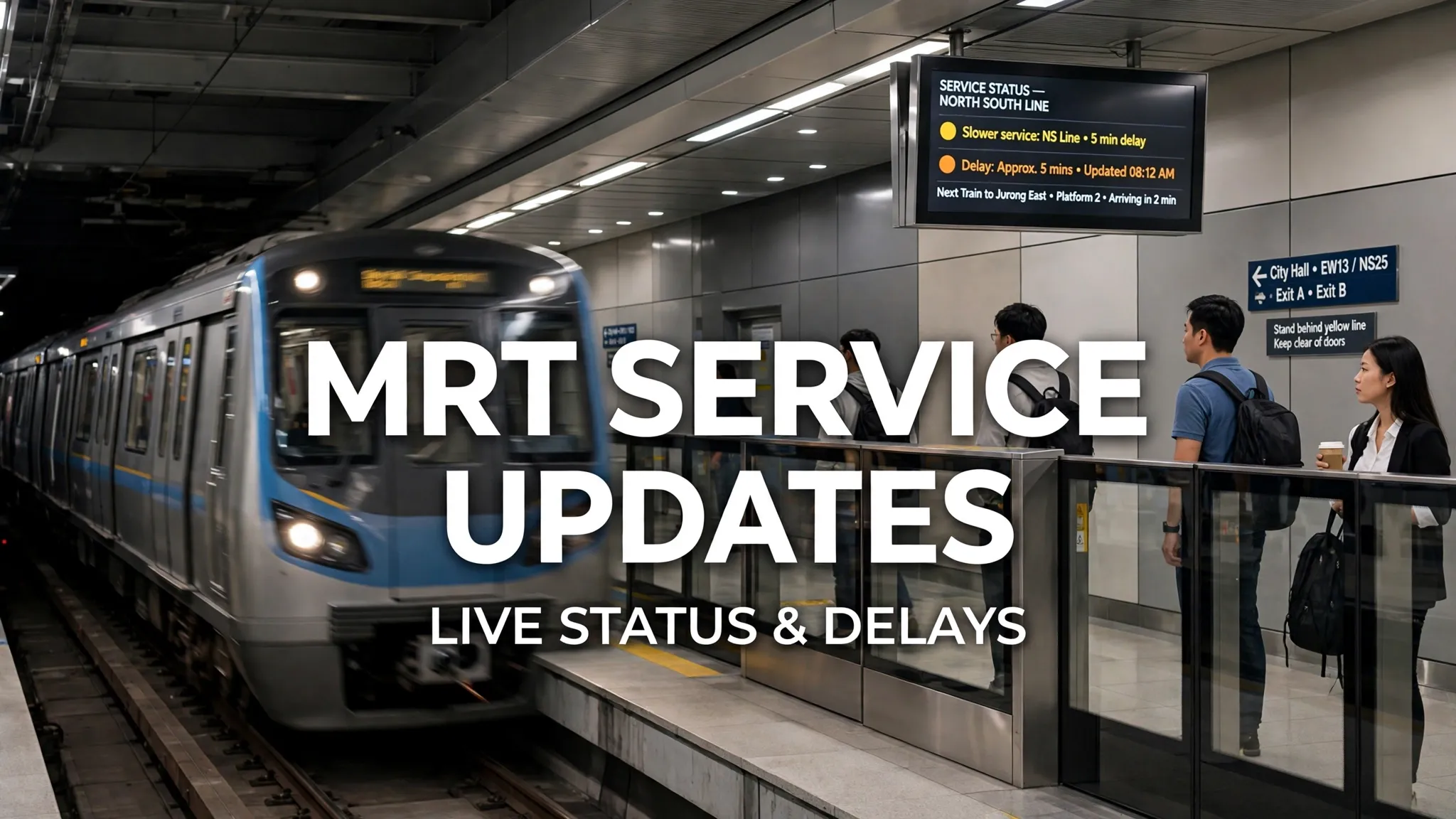
Singapore MRT service updates help commuters plan their journeys and avoid unexpected delays. Before leaving home, checking the Singapore MRT Status can save time, especially during peak-hour travel or planned maintenance. A train fault, signalling issue or service disruption may affect several stations along a line. The Land Transport Authority (LTA), SMRT and SBS Transit provide service information to help passengers check MRT Live Status, understand delays and find alternative transport when train services are affected.
TL;DR: Singapore MRT Service Updates
- Live MRT status: Check LTA’s centralised train-status webpage for updates across Singapore’s MRT and LRT lines.
- Train delays: Look for colour-coded information showing minor or major service delays.
- Major disruptions: Follow station announcements and instructions from transport staff.
- Bridging buses: Check the operator’s advisory for free bus services, boarding points and alternative routes.
- Planned maintenance: Read LTA and operator announcements before travelling.
Where to Check MRT Service Updates in Singapore
Singapore commuters can check MRT service updates through official transport channels. LTA provides a centralised view of train operating status, while SMRT and SBS Transit share information about disruptions affecting the lines they operate.
LTA MyTransport – Official MRT/LRT Train Status
LTA’s MyTransport train-status webpage is the main place to check Singapore MRT live train status. It shows the operating status of MRT and LRT lines, including service delays and commuter advisories.
The centralised page is useful when you are travelling across different lines and want to check the wider rail network.
SMRT Train Service Announcements
SMRT provides train service updates and announcements for the lines it operates. Commuters can check its official channels for information about affected stations, temporary service changes and maintenance work.
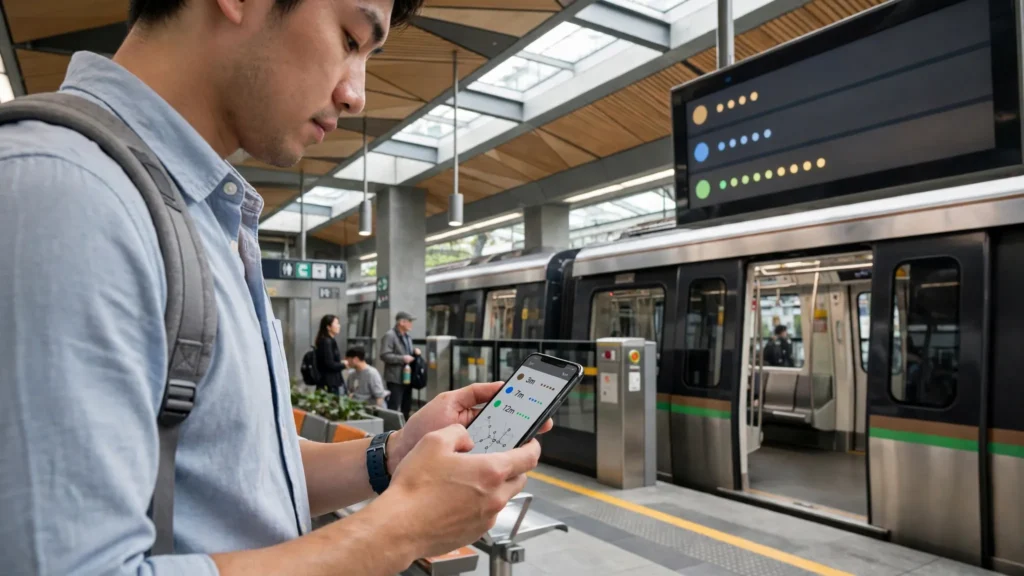
SBS Transit Service Disruption Updates
SBS Transit publishes disruption information for its rail services, including the North East Line and Downtown Line. Its service disruption information can also explain alternative transport arrangements and where to board bridging buses.
SGTrains – Additional MRT Status Information
SGTrains is an additional source for commuters who want general Singapore train information and practical advice during disruptions. However, use LTA and the relevant train operator for official service announcements.
Table 1: Official MRT Service Update Sources
| Platform | Main purpose |
|---|---|
| LTA MyTransport | Centralised live MRT/LRT train status |
| SMRT | Operator announcements and service information |
| SBS Transit | Disruption information and alternative transport |
| SGTrains | Additional train status information and commuter guidance |
How to Check Singapore MRT Live Train Status
Checking MRT status before starting your journey is straightforward. Use the centralised LTA train-status page to see whether your intended line is operating normally or affected by an incident.
Check the Official LTA Train Status Page
Open LTA’s train-status webpage and look for the line you intend to use. Check the latest advisory, affected stations and recommended travel arrangements.
If your journey involves an interchange, check the status of both lines. A disruption on one line may affect your transfer even when the other line is running normally.
Understand Minor and Major MRT Delays
LTA uses colour-coded information to show the operating status of rail lines. Its two delay categories are:
- Yellow – Minor delay: An incident where the estimated service delay is under 30 minutes. Commuters can generally continue using the train service.
- Orange – Major delay: An incident where the estimated service delay is over 30 minutes. LTA may advise commuters to use alternative MRT lines or free bus services.
These categories also consider factors such as the affected part of the network and whether the incident occurs during peak or off-peak hours. Land Transport Authority+1
Table 2: Understanding MRT Service Status
| Status | What it means |
|---|---|
| Normal | No reported service disruption |
| Yellow – Minor delay | Estimated delay under 30 minutes |
| Orange – Major delay | Estimated delay over 30 minutes |
LTA’s colour-coded categories are intended to help commuters decide how to continue their journeys. Do not assume that every incident will affect the entire line. Always read the accompanying advisory for the affected stations and travel instructions.
Check Affected MRT Lines and Stations
A service advisory may identify a specific stretch of track, station or interchange. Read the full notice rather than relying only on the colour shown for the line. Also check for updated information, as operating conditions can change while a disruption is being managed.
Understanding MRT Delays and Service Disruptions
MRT delays can happen for several reasons. Some incidents affect train frequency, while others may require a temporary suspension of service along part of a line.
Train Signalling Faults
Signalling systems help manage train movements and maintain safe distances between trains. A signalling fault may require trains to move more slowly or operate with longer gaps between services.
Power Supply and Track Faults
A power supply issue can affect train operations, while a track fault may restrict movement along an affected section. The operator may need to arrange inspections or repair work before normal service resumes.
Train Faults and Unexpected Service Interruptions
A fault involving a train may cause delays while staff attend to the incident. In more serious cases, passengers may be asked to leave a train or use another service.
Planned vs Unexpected MRT Service Changes
Planned maintenance is announced in advance and may involve early closures, late openings or temporary changes to train services. Unexpected disruptions happen without the same advance notice and require commuters to check live advisories.
Table 3: Common MRT Disruption Types
| Disruption | Possible commuter impact |
|---|---|
| Signalling fault | Longer waiting times |
| Train fault | Delayed or interrupted service |
| Power fault | Service interruption |
| Track fault | Affected train movements |
| Planned maintenance | Temporary service adjustments |
The actual impact depends on the incident. A fault does not automatically mean that an entire MRT line will stop operating.
What to Do During an MRT Service Disruption
A sudden disruption can be confusing, particularly if you are already inside a station or train. Follow official instructions instead of rushing towards another platform or exit.
Listen to Station Announcements
Pay attention to announcements inside trains and at stations. They may explain which stations are affected, whether trains are still operating and what alternative arrangements are available.
Follow Instructions from Station Staff
Station staff can direct passengers towards alternative platforms, exits or bus boarding points. If you need help, approach the Passenger Service Centre rather than relying on information from other passengers.
Check Alternative Transport Options
Check the latest commuter advisory before changing your route. Depending on the incident, you may be able to use another MRT line, a regular public bus or a free bridging bus service.
Keep Checking Updated Service Advisories
An initial announcement may change as the operator assesses the situation. Check the latest MRT service updates before continuing your journey, especially if you are transferring between lines.
If you are inside a train that has stopped, remain calm and follow the crew’s instructions. Do not attempt to open train doors or leave the train without permission.
Alternative MRT Routes, Bridging Buses and Shuttle Services
During a major MRT service disruption, LTA and the train operators may recommend alternative travel arrangements. The available options depend on the affected stations and the length of the disruption.
Use Alternative MRT Lines
If another line connects to your destination, check whether you can change at an interchange. Read the advisory carefully because some stations or transfer routes may also be affected.
Find Free Bridging Bus Services
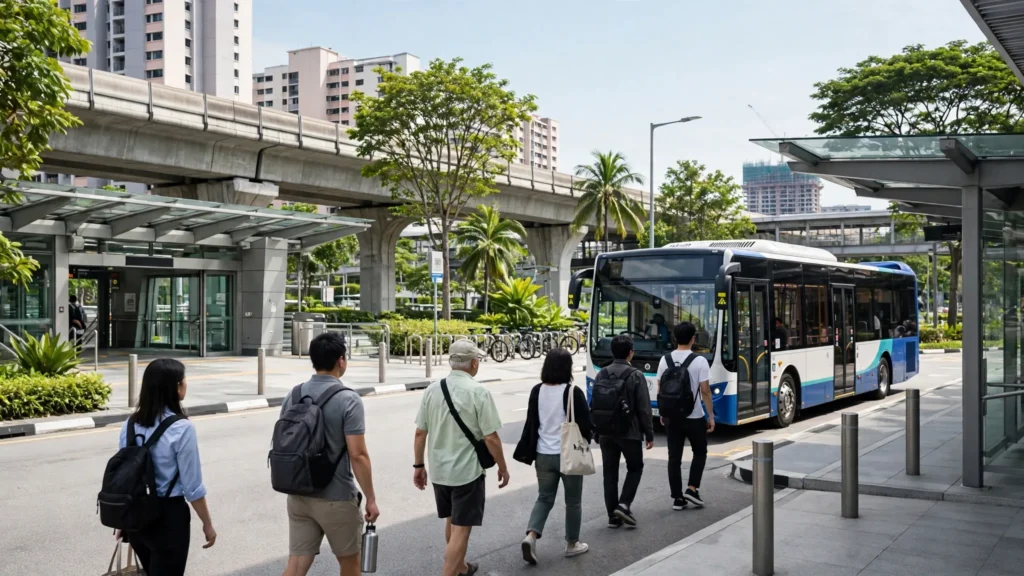
Free bridging buses may operate between affected stations during a major disruption. They are intended to help passengers continue their journeys when train services are unavailable along a section of the line.
Locate Designated Bus Boarding Points
Follow station signs and instructions from staff to find the correct boarding area. Do not assume that bridging buses use the same stops as regular public bus services.
Consider Regular Public Bus Services
If no bridging bus is provided, check nearby public bus routes. A regular bus may offer another way to reach your destination, although travel time and fares will depend on the route.
Table 4: Alternative Transport During MRT Disruptions
| Situation | Possible option |
|---|---|
| Minor delay | Wait for train service if advised |
| Major disruption | Use an alternative MRT line |
| Suspended section | Take a bridging bus, if provided |
| Station closure | Travel from a nearby operating station |
| Extended disruption | Check regular public bus alternatives |
SBS Transit advises passengers to use alternative MRT lines or free bus services at designated stops when these arrangements are provided. Bridging buses may run parallel to the affected MRT line, and directional signs guide passengers to the boarding points. SBSTransit+1
Planned MRT Maintenance and Upcoming Service Changes
Planned MRT maintenance can affect normal train operating hours. Some services may start later, end earlier or run with temporary adjustments while renewal and expansion work takes place.
MRT Early Closures and Late Openings
An early closure means trains stop running earlier than usual on an affected section. A late opening means services begin later than their normal operating time.
Weekend Maintenance and Train Service Adjustments
Some maintenance work takes place outside regular operating hours, while other projects may require changes during weekends. Check the affected stations and dates before planning your trip.
Where to Find Upcoming MRT Announcements
LTA publishes public transport service announcements, including planned train service adjustments. SMRT and SBS Transit also share operator-specific notices. Check these announcements before travelling, particularly if you rely on the first or last train. Announcement+1
MRT Fares, Refunds and Travel Chits During Disruptions
Singapore MRT fares are distance-based, and concession fares are available to eligible commuters. You can check the applicable fare using the official fare information provided by the transport authorities.
How Singapore MRT Fares Work
Adult and concession fares depend on the journey and the passenger’s eligibility. Exact fares may change, so check the latest fare information rather than relying on an old fare table.
When Can Commuters Request a Fare Refund?
Refund arrangements depend on the circumstances and the operator’s rules. SBS Transit states that no fares will be deducted when passengers exit from affected stations during a disruption. For other fare issues, check the relevant operator or SimplyGo refund procedure. SBSTransit+1
How to Obtain an Excuse E-slip or Travel Chit
An excuse e-slip or travel chit can serve as proof that your journey was affected by a train delay or disruption. SBS Transit provides an online Excuse E-slip service for eligible affected commuters. Its system has specific verification requirements, so check the instructions when requesting one. excuse-eslip.sbstransit.com.sg+1
Table 5: MRT Fare and Disruption Information
| Topic | What commuters should know |
|---|---|
| Adult fares | Distance-based fares apply |
| Concession fares | Available to eligible passengers |
| Fare refunds | Subject to the applicable procedure |
| Travel chit | Check the relevant operator’s process |
| Excuse E-slip | Available through the operator’s system when activated |
Useful Tips for Singapore MRT Commuters
- Check MRT service updates before leaving home, especially during peak-hour travel.
- Allow extra time if your journey involves an interchange.
- Keep official transport information channels handy.
- Think about an alternative route before an important appointment.
- Follow station announcements and instructions from transport staff.
A quick status check can help you avoid unnecessary waiting and make better travel decisions.
Frequently Asked Questions About MRT Service Updates
How do I check MRT service updates in Singapore?
Use LTA’s centralised train-status webpage to check the operating status of Singapore MRT and LRT lines. You can also check SMRT or SBS Transit announcements for operator-specific disruption information.
Where can I check Singapore MRT delays today?
Check LTA’s live train-status page for current service information. Read the advisory for the affected line and stations, as well as any recommended alternative transport arrangements.
Are free bridging buses available during MRT disruptions?
Free bridging buses may be provided during major disruptions when train services are affected. Their availability, routes and boarding points depend on the incident. Follow the signs and instructions at the station.
What should I do if my MRT line is disrupted?
Listen to station announcements, follow staff instructions and check the latest service advisory. You may be able to use another MRT line, a bridging bus or a regular public bus.
Where can I find planned MRT maintenance updates?
Check LTA’s public transport service announcements and the maintenance notices issued by SMRT or SBS Transit. These notices provide information about affected lines, dates and temporary train service changes.
Conclusion
Checking MRT service updates before travelling can make daily journeys around Singapore easier to plan. Use LTA’s centralised train-status information, follow operator announcements and pay attention to station instructions during disruptions. If a line is affected, check the available alternative routes and bridging bus arrangements before continuing your journey.