

 By admin
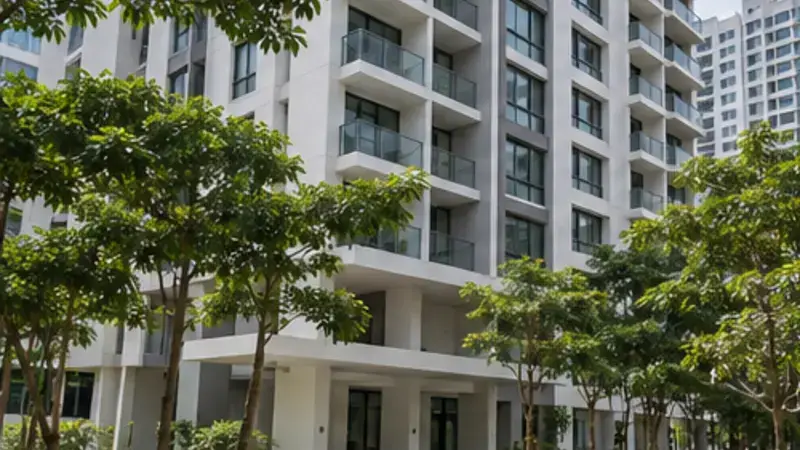
Annual value of property is IRAS’s estimate of the gross yearly rent a property could earn if it were rented out. For buildings, the estimate excludes furniture, furnishings and maintenance fees. IRAS bases it on market rents for similar or comparable properties, with adjustments for differences such as location, size, condition and physical attributes. The figure is used to calculate Singapore property tax, but it is not the property’s sale price, market value, loan valuation or the landlord’s actual rent.
Owners often see an Annual Value (AV) on a property tax bill and assume it should match what they paid, what a tenant currently pays or what an online listing advertises. Those amounts can differ because they answer different questions. IRAS reviews AVs against rental market information, and the assessed figure can be higher or lower than a particular tenancy rent. This guide explains what AV means, how it is estimated, how to check it, what it affects, and how to object if you have evidence that the assessment is too high.

Annual value of property: the short definition
IRAS defines the Annual Value of a building as its estimated gross annual rent if it were rented out. Furniture, furnishings and maintenance fees are excluded from the estimate. The assessment reflects the market rent of comparable properties, not necessarily the rent collected by the owner. IRAS may consider the location, size, condition and other physical characteristics of the property when comparing it with rental evidence.
A simple way to understand the concept is to imagine an unfurnished property being offered for rent under normal market conditions. What gross rent might a similar unit in the same area reasonably attract over a year? IRAS uses market evidence to derive the AV for property-tax purposes. The authority does not simply copy the owner’s monthly rental income or use the price paid when the property was purchased.
AV is a yearly figure, even though rent is often discussed per month. If IRAS estimates a comparable monthly rent of $3,000, the annualised figure would be $36,000. IRAS publishes examples of this calculation. The estimate is not a promise that a tenant will pay that exact amount or that the owner will receive rent for every month.
| Figure | What it measures | Same as Annual Value? |
|---|---|---|
| Annual Value (AV) | Estimated gross annual rent used for property-tax assessment | Yes |
| Actual rent | Rent agreed with a specific tenant under a tenancy | No |
| Market sale price | Estimated or agreed selling price of the property | No |
| Valuation for a loan | Value assessed for a lender or transaction | No |
| Rental income for income tax | Rent and related receipts reported under income-tax rules | No |
How IRAS estimates Annual Value
IRAS analyses market rents of comparable or similar properties that have been rented out. The authority may adjust the comparisons to account for differences in location, floor area, property type, condition and other physical attributes. The aim is to estimate what the property could earn in rent under prevailing market conditions, rather than to reimburse or reflect the owner’s actual expenses.
Comparable properties help create a fairer reference than a single tenancy contract. A unit in a different location, with a different layout or state of repair, may not be a useful comparison even if its monthly rent is easy to find online. IRAS can consider multiple rental transactions and make adjustments. A property owner who wishes to assess whether an AV is reasonable can look at comparable rental evidence rather than relying only on one listing or one transaction.
Market rents move over time. IRAS reviews AVs each year to reflect changes in rental values of comparable properties. If the latest market data no longer support the existing figure, IRAS may amend the AV. A change can be upward or downward. When an AV changes, the property owner receives a Valuation Notice showing the adjusted amount and effective date.
What is excluded from the AV estimate?
For buildings, the estimated gross rent excludes furniture, furnishings and maintenance fees. This matters because a furnished rental package can contain charges that are not part of the property’s own rental value. IRAS aims to estimate the rent of the property itself under its valuation method, not add every payment a tenant may make for household items or services.
The AV is also calculated before deducting the owner’s financing costs, utilities, insurance, taxes or other personal expenses. Those expenses do not reduce the Annual Value for property-tax purposes. A landlord’s actual net rental profit may be affected by allowable income-tax deductions under separate rules, but that is a different tax calculation. Do not use a monthly mortgage payment or condominium maintenance bill to estimate the AV.
Property features that form part of the building can matter to rental value, while movable furniture is excluded from the building’s AV estimate. For example, differences in floor area, layout, view, condition, access and facilities may affect comparable rents. IRAS’s method focuses on the rental value of the property, with adjustments for relevant attributes.

Annual Value is not the same as market value
Market value generally refers to what a property may sell for in a market, while AV estimates its gross annual rental value. A property can have a high sale price but a comparatively lower rental yield, or a lower purchase price with stronger rent relative to its value. There is no direct conversion that makes one figure equal to the other.
The purchase price is also not the basis for AV. A home bought years ago may have a current AV that reflects present rental conditions rather than the original price. Likewise, a resale transaction at a certain price does not automatically establish the property’s annual rental value. The dates, market conditions and purpose of each figure differ.
A bank valuation and an IRAS AV can therefore look different without either being an error. A lender may estimate market value for financing; IRAS estimates rent for tax assessment. If a report or form asks for AV, do not enter the sale price or a property agent’s asking price. Use the amount shown in the IRAS property summary or other official AV record.
Annual Value is not necessarily the rent you collect
Actual rent is set by a specific tenancy agreement. It can reflect the date the lease began, bargaining between the parties, repairs, furnishing, incentives, rent-free periods and other contractual terms. AV reflects estimated market rent at the time IRAS reviews the property. Because those dates and conditions differ, the AV can be higher or lower than the rent currently received.
A landlord who signed a long lease before rents rose may receive less than the current estimated market rent. Another owner may have secured a rent above the estimate because of a particular tenant’s needs or a short-term market spike. One contract does not always represent the rent a comparable property could earn more broadly. IRAS can consider rents of similar properties rather than accepting the actual rent as the sole deciding factor.
If an owner believes the AV is excessive, evidence should focus on comparable rental conditions and the property’s attributes. A current lease can be relevant, especially if it is arm’s length and representative, but the owner should explain why it reflects the broader market. Evidence can include nearby rental transactions, dates, floor area, condition and other meaningful differences. A single low rent may not be enough if it was affected by a special arrangement.
Is an owner-occupied or vacant property assigned an AV?
Yes. An AV is based on estimated rent even if the owner lives in the home or the property is vacant. Property tax is payable and assessed for residential properties regardless of whether the property is owner-occupied, vacant or rented out. A property does not have a zero AV simply because the owner receives no rent.
Owner-occupiers may qualify for lower owner-occupier property-tax rates on one residential property if they meet IRAS’s conditions. That is a tax-rate matter, not a reason to object to the AV. An owner who occupies the home and receives a bill should check whether the owner-occupier rate has been applied where eligible. Filing an AV objection because there is no rental income is not a valid basis under IRAS guidance.
Vacancy also does not automatically remove property tax. If the home is undergoing renovation or is temporarily between tenants, tax treatment depends on the applicable rules rather than the absence of rental receipts. Owners should check IRAS’s current information and payment dates rather than assuming an exemption based on vacancy.
How Annual Value affects property tax
Annual property tax is calculated using the property’s AV and the tax rates that apply to the owner and property type. For residential property, owner-occupier and non-owner-occupier rates use progressive schedules. The same AV can therefore lead to different tax amounts depending on whether the property qualifies for owner-occupier rates. Other properties are taxed under the applicable non-residential property-tax rate.
A simplified formula is “Annual Value multiplied by the applicable property-tax rate or schedule.” For a progressive schedule, tax is calculated in bands rather than by multiplying the whole AV by the highest marginal rate. IRAS’s property-tax calculator and published sample calculations show how the current rates work. Use the current calculator for a property rather than relying on a rate quoted in an older article.
AV and the applicable tax rate are two separate parts of the bill. If the owner believes the AV is wrong, the objection should address the rental-value assessment and effective date. If the owner thinks the rate is wrong, they should check occupancy status and owner-occupier eligibility through the relevant IRAS service. IRAS says tax rates are not valid grounds for objecting to an AV assessment.

Where to find your property’s Annual Value
Property owners can check the current AV of properties they own through IRAS’s “View Property Summary” digital service in myTax Portal. Owners can also see the current year and up to the past four years for their property, along with other property-tax information. A change stated in a bill will appear in the digital service from the effective date of that change.
A person who is not the owner can use IRAS’s “Check Annual Value of Property” service to search the AV of a property. IRAS states that this service costs $2.50 per search and can provide the current year and up to five past years. The service gives the AV, not every detail about the property. Check the latest IRAS instructions for the information needed to make a search.
Before using a figure from a property listing or a third-party website, confirm it with IRAS. Online listings may refer to market price, estimated rent, floor area or an agent’s opinion. A property-tax application or official form may need the specific AV recorded by IRAS for a given year. Keep a copy of the AV record and note the year or effective date it covers.
What to check on a property tax bill
When a property-tax bill arrives, review the property address, AV, tax rate, amount payable, payment due date and whether owner-occupier relief appears where relevant. Compare the AV with the figure shown in the IRAS property summary, keeping the effective date in mind. A bill can show a figure that applies for a period, while an updated AV may take effect on a different date.
Do not read the AV as a monthly bill. It is an annual rental-value assessment; the property tax payable is calculated using the applicable rates. If the AV is $36,000, that does not mean the owner owes $36,000 in tax. The tax amount depends on the rate schedule and occupancy status. IRAS provides a property-tax calculator and sample calculations for the current rules.
Check whether any relief, rebate or owner-occupier rate has been applied. A government rebate may reduce the amount payable without changing the AV itself. If the bill includes a rebate or special relief, read the explanation on the IRAS page. Keep the bill and any Valuation Notice together in case you need to ask about the assessed figure or effective date.
How IRAS updates an Annual Value
IRAS reviews property AVs each year to reflect changes in the market rental values of comparable properties. If the latest rental evidence does not support the existing assessment, IRAS may revise it. An adjustment can be upward or downward. If a physical change to the property could materially affect its rental value, such as a major change in size or configuration, IRAS may also revise the AV from the date of that change.
When an AV changes, IRAS sends a Valuation Notice that states the new figure and the date it takes effect. The notice matters because it tells the owner when the revised assessment applies and starts the objection timeline for a proposed AV. Store the notice with the annual property-tax bill and update any records that use the AV.
A change in market conditions does not mean every property receives the same percentage adjustment. Different locations, unit types and conditions can produce different rental evidence. An AV may remain unchanged if the current figure is still supported by the available market data. Do not assume that a neighbourhood-wide headline about rising rents means every individual AV must move by the same amount.
How to object if the AV seems too high
Property owners may object to a proposed AV or its effective date within 30 days from the date of the Valuation Notice. IRAS also allows an objection to the AV in the Valuation List within the relevant annual period, even if no Valuation Notice was received. Follow the current IRAS instructions and submit the objection through the “Object to Annual Value” digital service in myTax Portal.
An objection should state the AV the owner believes is correct, the effective date requested and the grounds for the objection. Include evidence to support the proposed figure. Useful evidence may include recent rental transactions for genuinely comparable properties, the rental period, floor area, location, unit condition and an explanation of how the subject property differs. Organise the documents so the assessor can see why each comparison is relevant.
IRAS identifies several arguments that are not valid grounds: saying that tax rates are too high, saying the property is owner-occupied and earns no rent, or citing financial hardship. Those issues may relate to other services or payment arrangements, but they do not show that the AV is wrong. If the concern is owner-occupier tax rates, use the service to apply for those rates where eligible.
What counts as useful evidence?
Strong evidence connects a property’s rental potential to comparable market transactions. A useful comparison is usually close in location, property type, size, layout and condition, and it should fall within a relevant period. Explain the similarities and differences rather than presenting a list of addresses without context. If the subject property has defects, restricted access, unusual layout or other features that affect rent, document them clearly.
Actual rental agreements can support an objection, but they should be read alongside the wider market. A below-market arrangement between related parties, a lease with concessions or an agreement made during an unusual period may not show the rent a property could generally earn. State whether the rent includes furniture, maintenance or other charges and how those items compare with the AV definition.
Owners may also refer to the HDB or URA rental transaction information that IRAS points to when assessing comparable rents. Make sure the data relates to a similar unit and date. An asking rent is not necessarily a completed rental transaction. Evidence should help answer a specific question: what is a reasonable gross rent for this property during the relevant period?

What happens after you file an objection?
IRAS reviews the objection and the evidence submitted. Residential AV objections are generally resolved within six months to a year, while complex cases can take longer, according to IRAS. The owner can check the status through the relevant digital service. If IRAS disallows or partially allows the objection, the owner may appeal to the Valuation Review Board within 30 days of the notice of decision, following the Board’s filing requirements.
Property tax remains payable while an objection or appeal is pending. Filing an objection does not automatically suspend payment of the tax based on the current assessment. Owners should continue to meet payment deadlines and use IRAS payment options. If cash flow is the concern, check available GIRO or instalment arrangements rather than treating an objection as a payment extension.
Keep a complete record of the submission, supporting files, IRAS acknowledgements and any follow-up questions. If IRAS asks for additional information, respond by the stated deadline. A clear file helps the owner track what amount and effective date were requested and prevents confusion if an appeal becomes necessary.
Common misunderstandings about Annual Value
- “AV is my property’s sale value.” No. AV estimates annual gross rent; it is not market sale price.
- “My AV must equal my current rent.” No. IRAS may use comparable market rents and review them at a different time.
- “I live in the home, so the AV is zero.” No. AV is still assessed; owner-occupier rates may affect tax instead.
- “A vacant home does not have property tax.” No. Property tax can still be assessed when a property is vacant.
- “My mortgage and maintenance fees reduce AV.” No. Owner expenses are not deducted from the rental-value estimate.
- “If I object, I can wait to pay.” No. Property tax remains payable during an objection or appeal.
- “A high tax rate proves the AV is excessive.” No. Tax rate and AV are separate assessment questions.
These distinctions help owners identify the right process. A complaint about the rent estimate may belong in an AV objection. A concern about owner-occupier status, payment due date, relief or a rebate may need a different IRAS service. Read the bill and Valuation Notice carefully before submitting a request.
Annual Value and rental income tax are different
AV is used for property tax. Rental income is dealt with under income-tax rules. The rental income reported to IRAS can include gross rent and certain related amounts received from tenants; its tax treatment is separate from the AV calculation. The fact that AV excludes furniture, furnishings and maintenance fees for property-tax purposes does not mean a landlord can automatically exclude every related payment from income reporting.
Owners who rent out a property should use IRAS’s rental-income guidance to understand reporting and allowable expenses. Keep tenancy agreements, receipts and expense records. Do not use the AV as a substitute for actual rent when filing an income-tax return, and do not use actual rental profit to replace the AV when checking a property-tax bill.
A property may have an AV even when no income tax is payable on rent for a particular year, and a landlord’s income-tax position may differ from the property-tax amount. The two calculations use different rules and purposes. When unsure, check the IRAS page for the type of tax you are dealing with.
Annual Value and other property decisions
People may encounter AV in several settings: property-tax bills, eligibility checks, applications and official correspondence. Always check which year’s AV is requested and whether the form asks for the current figure or a past year. An annual value can change, so a number copied from an old bill may not be current. Use the effective date shown in the IRAS record.
AV may be relevant to schemes or administrative thresholds, but do not assume the same property figure is used by every agency or programme. If an application asks for property AV, follow that application’s instructions and provide the IRAS figure. If it asks for market value, outstanding loan, rent or household income, those are different data points.
For a BTO or resale housing decision, AV is not the purchase price or the HDB income ceiling. It is a tax-related rental measure. Homebuyers comparing financing should use the HFE letter, loan information and actual flat prices rather than treating AV as a measure of affordability.
Annual Value checklist for property owners
- Find the AV in the IRAS View Property Summary service.
- Check the year and effective date that the figure covers.
- Read the applicable property-tax rate and occupancy status separately.
- Compare an AV only with suitable rental evidence, not sale prices.
- Check a Valuation Notice for the objection deadline.
- If objecting, state the proposed AV, effective date and supporting evidence.
- Pay tax by the due date while an objection or appeal is under review.
- Keep IRAS notices, property records and rental comparisons together.
A simple file with the latest bill, AV history and comparable rental evidence can make future checks easier. Owners do not need to estimate AV themselves for ordinary purposes; IRAS’s official record is the figure to use when a form asks for the assessed Annual Value.
Frequently asked questions
What is the Annual Value of a property in Singapore?
It is IRAS’s estimate of the gross annual rent a property could earn if rented out. For buildings, the estimate excludes furniture, furnishings and maintenance fees and is used for property-tax assessment.
How does IRAS calculate Annual Value?
IRAS analyses rents of comparable or similar properties and adjusts for differences such as location, size, condition and physical attributes. The AV can differ from the rent under a particular lease.
Is Annual Value the same as market value?
No. Market value generally concerns a property’s sale price. Annual Value estimates gross annual rent. They are different figures for different purposes.
Does an owner-occupied or vacant property still have an AV?
Yes. IRAS assesses AV based on estimated rental value even when the property is owner-occupied or vacant. Property tax may still be payable; eligible owners can separately apply for owner-occupier rates.
How can I check the AV of my own property?
Owners can view the current AV and up to four past years through IRAS’s View Property Summary service in myTax Portal. Non-owners can use the Check Annual Value service, which IRAS says costs $2.50 per search.
How long do I have to object to an AV notice?
IRAS says an owner may object to a proposed AV or its effective date within 30 days from the Valuation Notice. Check the notice and current IRAS instructions for the exact process.
Can I stop paying property tax while IRAS reviews my objection?
No. IRAS states that property tax remains payable while an objection or appeal is pending. Keep to the payment due date and check available payment arrangements.
What evidence should I submit with an AV objection?
Provide the AV and effective date you believe are correct, explain the grounds and include relevant rental evidence for similar properties. Address differences in location, size, condition, rental period and any included charges.
Official sources
- IRAS: About Annual Value
- IRAS: 2026 Property Tax Bill
- IRAS: How to Object to your Assessment
- IRAS: Property Tax Rates and Sample Calculations
- IRAS: View Property Summary and Annual Values
IRAS may revise Annual Values and tax rules. Check the current property summary, tax bill and IRAS guidance for your property and effective date.