

 By admin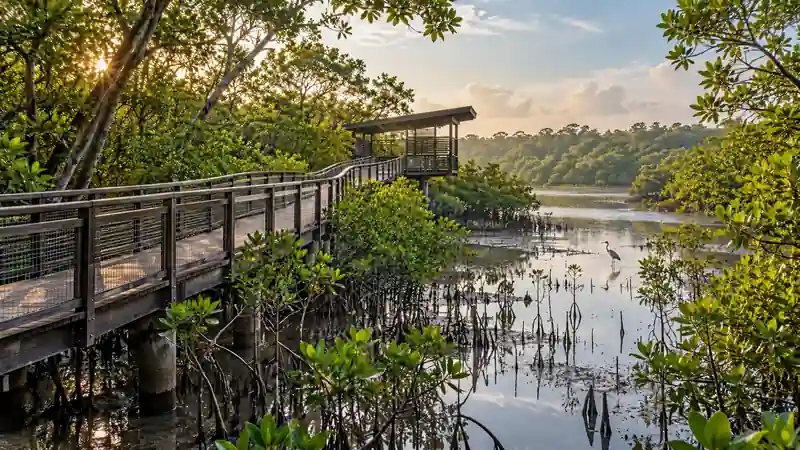
Sungei Buloh Wetland Reserve is a place to slow down, watch a mudflat carefully and notice how much life is hidden among mangrove roots. Birds, monitor lizards and other wildlife may appear, but a sighting is never guaranteed. The reserve is a protected habitat, so a good visit combines patient observation with strict respect for paths, closures and animals.
National Parks Board information lists daily opening from 7am to 7pm, with last entry at 6.30pm, and advises checking for high-tide or bad-weather closures. From Kranji MRT, its published directions specify bus 925 on Mondays to Saturdays and 925M on Sundays and public holidays. This guide explains those practical details, what to see, how to choose a route and how to stay safe around wild animals and water.
Sungei Buloh Wetland Reserve at a glance
The reserve protects mangroves, wetlands and habitats used by resident and migratory birds in northwestern Singapore. NParks describes it as Singapore’s first ASEAN Heritage Park and an important site for migratory birds. It lists a 202-hectare park area and visitor facilities at both a Visitor Centre and Wetland Centre. Treat the park map as essential because entrances and trails serve different parts of a large site.
This is a nature reserve rather than an urban recreation park. NParks prohibits jogging, cycling, skating, personal mobility devices, drones, fishing and pets within the reserve. Visitors should keep quiet, stay on designated paths and obey any temporary closure. A pair of binoculars can be more useful than trying to get physically closer to an animal.
| Question | Current official guidance |
|---|---|
| Opening hours | 7am–7pm; last entry 6.30pm. Check closures before travel. |
| Rail and bus | Kranji MRT, then bus 925 on Mondays–Saturdays or 925M on Sundays and public holidays. |
| Main arrival point | Visitor Centre, 60 Kranji Way, Singapore 739453. |
| Pets and bicycles | Pets are not allowed; cycling within the reserve is prohibited. |
| Best preparation | Water, insect protection, sun and rain gear, closed shoes, binoculars and a current park map. |
How to get to Sungei Buloh Wetland Reserve
From Kranji MRT by bus
Take the MRT to Kranji station, then follow NParks’ current bus guidance. Its park page specifies service 925 on Mondays to Saturdays and 925M on Sundays and public holidays. Confirm the bus direction, the stop closest to your intended entrance and the next arrival using a live transport planner. A service name alone is not enough if you have a timed guided activity.
Allow extra time for the transfer and the walk from the stop. The reserve has more than one arrival area; check whether your plan begins at the Visitor Centre or Wetland Centre. If joining a guided walk, use the meeting point printed in its booking details rather than assuming every programme starts at the same entrance.
Return planning matters too. Before you enter a trail, check the likely bus service and last comfortable departure for your schedule. Do not push to the reserve’s closing time and then begin searching for a stop. A charged phone and a downloaded map help, but follow signs and staff advice on site.
Taxi, car and bicycle arrival
A taxi or private-hire ride can reduce the number of transfers. Set the exact centre or official entrance as the destination. Confirm a suitable pick-up point for departure, because a driver may not stop where you happen to finish walking. Do not ask a vehicle to wait in a way that obstructs the entrance.
NParks lists parking and bicycle racks at both the Visitor Centre and Wetland Centre. Check current availability and any event or maintenance notices before relying on a space. You may arrive by bicycle and use the racks where permitted, but cycling inside the reserve is prohibited. Secure the bicycle and continue on foot.
If someone in your group needs wheelchair access, NParks identifies the reserve as wheelchair accessible. A large natural area can still contain routes with different surfaces and distances. Consult the current park map and ask NParks about a specific route, facility or mobility requirement before travelling.
Choose the right entrance and route
There is no need to cover the entire reserve on a first visit. The Visitor Centre gives access to features such as the Coastal Trail, while other routes include mangrove and birdwatching areas. Use the official map to decide what matters most: a shorter boardwalk, a lookout, bird hides or a longer nature walk.
Start with the distance and your group’s comfort rather than the number of named landmarks. Heat, humidity and time spent watching wildlife can turn a modest route into a longer outing. Add a buffer for a slow bus transfer, water breaks and a possible closure. A focused walk with several patient stops can be more rewarding than hurrying from one end of the site to the other.
NParks warns that some areas may flood at high tide or in bad weather and can close on specific dates or temporarily. Check the closure notices linked from the park page shortly before the visit. A barrier is a safety instruction, not an invitation to find a way around it. Choose another trail if a planned section is closed.
What to see in the reserve
Mangroves and boardwalks
Mangrove boardwalks let visitors observe a habitat that would otherwise be difficult to cross without damaging it. Look for the relationship between exposed roots, mud, shallow water and the animals that use each layer. Pause without leaning over barriers. Small movements in the mud can reveal more than a fast walk past a scenic view.
Depending on tide and season, you might notice crabs, mudskippers or birds feeding near the water. Identification can be tricky at a distance. Use a field guide or official educational material, and leave a sighting unidentified when uncertain rather than inventing a species name. The purpose of the boardwalk is to bring you near the habitat while keeping you off sensitive ground.
Rain or high tide can change what is visible. An apparently quiet patch may still be ecologically active. Listen for bird calls, look at leaf shapes and notice how water reaches the roots. Do not pick plants or collect shells, animals or other natural material.
Coastal viewpoints and lookout structures
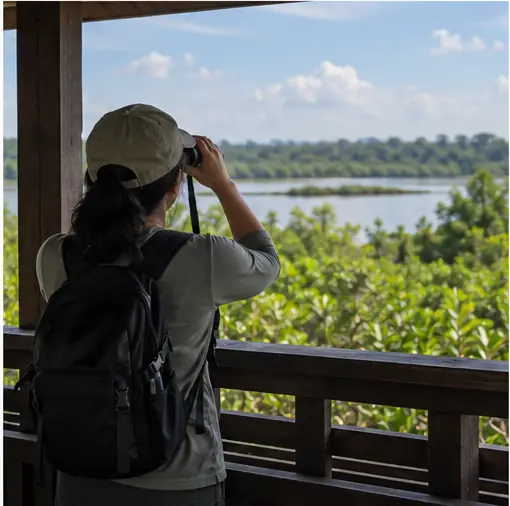
NParks highlights Eagle Point, Aerie Tower and viewing pods along the Coastal Trail. These provide perspectives across the sea, wetland and tree canopy. A lookout is a place to pause and scan, not a guarantee of a particular eagle or otter. Use binoculars and give other visitors room to enjoy the view.
At a tower, take care on stairs and platforms, especially after rain. Do not crowd a railing or lean equipment beyond it. If you are photographing with a long lens, check that your bag or tripod does not block the path. Read site signs for any restrictions on equipment or access.
Bird hides and open wetlands
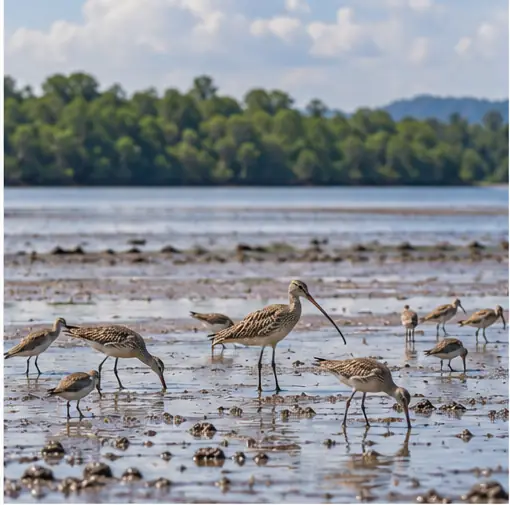
The Migratory Bird Trail and other observation points are designed to let people watch without disturbing the birds. A hide works best when visitors remain quiet and give their eyes time to adjust. Scan the water and mud slowly, then use binoculars to inspect shapes and behaviour. Moving less can help you notice more.
Resident birds can be seen throughout the year. NParks lists herons, egrets, kingfishers, bulbuls and sunbirds among the possibilities, while migratory birds are a seasonal attraction. The official park page describes a broad migratory period from August to April. This does not mean every species is present on every day within that span.
Tide, weather, time of day and disturbance affect where birds feed or rest. Avoid loud conversation near a hide. Do not play calls to attract wildlife or step off a path for a better angle. A distant view of a bird behaving naturally is a better encounter than a close view created by stress.
When is the best time for birdwatching?
Migration season offers a chance to see visiting shorebirds, but resident birds provide interest at other times. The official season range is broad. A particular birdwatching day depends on conditions and luck, so check current NParks activity information and local birding guidance if you have a target species. Do not promise a child a specific animal sighting.
Early morning is often more comfortable for walking in Singapore’s heat and fits the 7am opening. Bring binoculars, move quietly and spend time at a few viewpoints. A quick circuit is less effective than patient observation. If you are new to birds, focus first on size, shape, bill, movement and habitat rather than trying to name everything immediately.
Weather can change the plan. Heavy rain may make visibility poor, while thunderstorms are a reason to leave exposed areas and seek shelter. High tide may affect trail access as well as what is visible on a mudflat. Check official closure notices before travelling and follow staff instructions on arrival.
Wildlife safety, especially crocodiles
Estuarine crocodiles occur in the reserve. NParks’ Animal and Veterinary Service says warning signs and exclusion measures are placed in areas where they are frequently sighted. Keep to designated paths, obey barriers and never approach a crocodile for a photograph. The animal may be in water or on land, and distance is the safest way to observe it.
Do not feed, touch, corner or provoke wildlife of any kind. Supervise children closely near water and on boardwalks. If you see a crocodile, remain calm, keep a safe distance and inform park staff as appropriate. Follow the current official encounter guidance rather than improvising a response based on a social media clip.
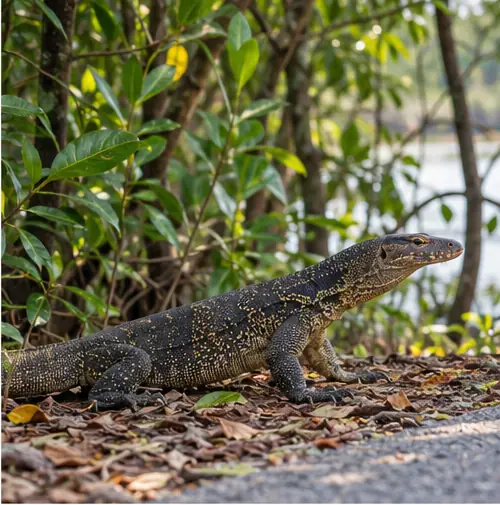
Monitor lizards can also be seen. Give them room to move; do not block their route or offer food. Otters and birds deserve the same space. Wild animals are not attractions that can be summoned on demand, and feeding them changes behaviour in ways that can harm animals and people.
What to bring and wear
Wear comfortable closed shoes suited to a long outdoor walk. Bring drinking water, a hat, sun protection, insect repellent and a light rain cover. Binoculars make small or distant animals easier to appreciate. A camera with a moderate zoom can be useful, but you can have a rewarding visit without professional gear.
Pack a small bag that leaves your hands free. Bring any necessary medication and keep an eye on the time and your water supply. Avoid carrying a heavy picnic setup unless you know where eating is permitted and can remove all waste. Check current site rules for food and facility availability.
Download the park map or save it for offline use. Phone reception, battery and the accuracy of generic mapping apps should not be your only navigation tools. Follow official signs and do not enter a closed trail because an app still displays it as open.
Facilities and accessibility
The official park page lists visitor facilities and wheelchair accessibility. The two main centres and their parking areas are useful orientation points. Check the current map for toilets, shelters, routes and any centre closure. A facility shown online may be temporarily unavailable for maintenance.
Accessible does not mean every metre of every natural trail is equally suitable for every visitor. If you need a step-free circuit, a particular toilet or a short route from parking, contact NParks or inspect the latest detailed map. Build a route around comfort, weather and the ability to turn back.
Families should plan a clear meeting place and keep children within sight. Boardwalks are designed for access and observation, but they still run through wild habitat. Do not allow a child to climb railings or reach into water or mud. A short, attentive visit can be more enjoyable than a forced long hike.
Reserve rules that protect the habitat
NParks prohibits pets, jogging, cycling, skating, personal mobility devices, drones, fishing and poaching within the reserve. Loud music and other disruptive noise are also inappropriate. These rules reduce disturbance and protect wildlife and visitors. If you are unsure whether an activity is allowed, check with NParks before bringing equipment.
Organised group activities above the size threshold stated by NParks require a permit, as do commercial photography or filming and research. Casual visitors should still follow ordinary etiquette: stay on paths, leave plants and animals alone, take rubbish out and make space for others at lookouts.
A drone can be particularly disruptive in a bird habitat, so do not assume a wide open sky implies permission. The reserve’s restrictions apply even if other parks allow an activity. Read the current signs at the entrance because rules and temporary controls may change.
A first-visit itinerary
Check the NParks park page, closure notices and weather forecast before departing. Travel to Kranji MRT and use the appropriate bus for the day, or go to the exact entrance by taxi. On arrival, photograph or download the official map and ask about any closed sections. Choose a route that you can complete comfortably before closing.
Begin with a boardwalk or short nature trail. Move slowly and spend several minutes at each viewing point. Then visit a hide or coastal lookout if the route and weather allow. Keep some time for an unexpected sighting. Wildlife watching becomes frustrating if every pause puts you behind schedule.
Return toward the centre well before the 7pm closing time. Check your bus or ride pickup, refill water if possible and make sure no litter is left behind. If heavy rain or lightning begins, shorten the visit and follow the nearest safe route or staff direction.
Photography without disturbing animals
Use a zoom lens or binoculars rather than moving off a path. Stay still near a bird hide and wait for a natural moment. Never bait an animal, play recorded calls, chase a bird or cross a barrier for a photograph. A clear image is less valuable than the animal’s safety and the protection of its habitat.
Mangrove light can be uneven. Expose for the bird or foreground subject, brace the camera and accept some shade. A wide landscape photograph can show the wetland context even if no animal appears. Avoid flash toward wildlife, especially at close range. If another visitor is using a hide, share the viewing space quietly.
Commercial photography or filming requires an application under NParks’ published rules. If the outing is for a business, production or organised project, check permit requirements in advance. Casual visitors should still respect the privacy of others in their images.
History and conservation significance
NParks says Sungei Buloh first opened as a nature park in 1993. Its later protection as a reserve reflects the importance of the wetland and its role for migratory birds. The site is part of a wider nature park network intended to support ecological connections and buffer sensitive habitat.
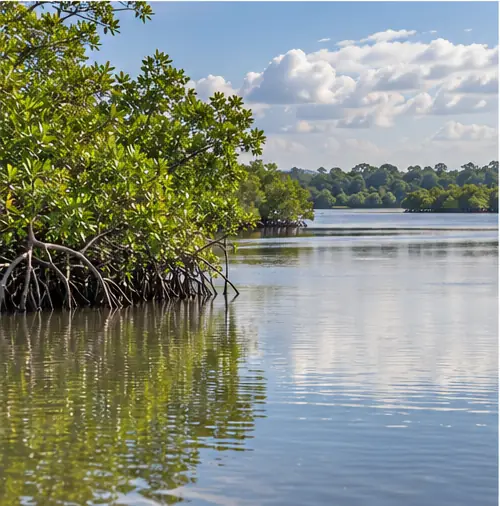
Mangroves are working ecosystems. Their plants tolerate tidal conditions, and the roots provide structure and shelter for other life. Mudflats provide feeding areas for shorebirds. A visitor’s choice to stay on a boardwalk helps avoid trampling ground that may look empty but supports a complex food web.
Conservation also depends on patience and restraint. A reserve is not successful only when every visitor sees a spectacular animal. The habitat has value on ordinary quiet days. Learning to notice small changes in tide, bird activity and plants can make repeated visits more interesting than a one-time sighting hunt.
Common mistakes to avoid
Do not assume the reserve is open around the clock. NParks lists 7am–7pm with a last entry time. Do not use the same bus service pattern on every day without checking: the official directions distinguish 925 from 925M on Sundays and public holidays. Confirm current details before travel.
Another mistake is overlooking tide and weather notices. Sections can close when flooding makes access unsafe. Never step around a barrier. Do not arrive expecting to cycle through the reserve or bring a pet. Those activities conflict with the published rules.
Finally, avoid planning to see every named animal. A crocodile, otter or rare bird is possible, not promised. The better objective is a quiet walk through a protected wetland, with any wildlife encounter observed from a safe distance.
Frequently asked questions about Sungei Buloh Wetland Reserve
What are the opening hours?
NParks lists 7am to 7pm, with last entry at 6.30pm. Check the current park page and any temporary closure notices before visiting.
How do I get there from Kranji MRT?
NParks directs visitors to bus 925 on Mondays to Saturdays and 925M on Sundays and public holidays. Confirm the current route and the stop for your intended entrance.
Is there an entrance fee?
NParks’ visitor page describes public park access without listing a general admission ticket. Check current charges for any separately booked programme or service.
Are there crocodiles in the reserve?
Yes, estuarine crocodiles may be present. Stay on designated paths, observe warnings and barriers, and keep a safe distance from all wildlife.
When can I see migratory birds?
NParks describes a broad migratory season from August to April. Species and sightings vary by date, tide, weather and chance.
Can I bring a dog?
No. NParks says pets are not allowed in the nature reserve to protect wildlife.
Can I cycle inside?
No. Cycling inside the reserve is prohibited. Bicycle racks are available at the centres for visitors who cycle to the site and continue on foot.
Is it wheelchair accessible?
NParks identifies the reserve as wheelchair accessible. Check the current map or contact NParks for a specific step-free route and facility needs.
What if a trail is flooded?
Do not enter. NParks may close areas because of high tide or bad weather. Choose an open route and follow staff instructions.
Visit the wetlands with care
Sungei Buloh Wetland Reserve rewards an early start, a modest route and time spent looking carefully. Use the current NParks map, check closures and weather, and take the correct Kranji bus service for your day. Bring water and binoculars, stay on designated paths and give wildlife generous space.
Even a visit without a headline sighting can reveal mangrove roots, changing water, bird calls and the quiet work of a protected habitat. For the latest entry, transport and closure information, check NParks’ Sungei Buloh Wetland Reserve page just before you travel.
Sources
- NParks: Sungei Buloh Wetland Reserve visitor information
- NParks: Nature walks at Sungei Buloh
- NParks: Sungei Buloh DIY trail guide (PDF)
- NParks: Birdwatching at Sungei Buloh
- NParks: Find parks and opening hours