

 By admin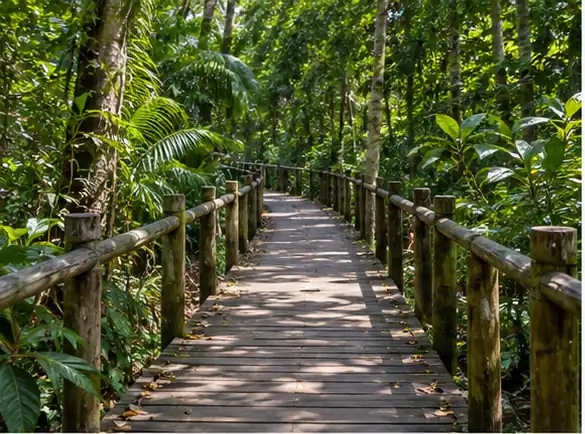
Coney Island Singapore, officially Coney Island Park, is an 81-hectare nature park on the northeastern coast of Punggol. Its coastal forest, mangroves, boardwalks and five beach areas create a different kind of day out from the city’s manicured gardens. Visitors can walk or cycle through the island, look for birds and coastal wildlife, pause at the Casuarina Exploratory play area, and enjoy views across the water.
Plan around one essential rule: NParks lists the park’s opening hours as 7am to 7pm. The gates close, so do not start a long route late in the afternoon or assume that the island is open around the clock. The park also has no car park on the island; most visitors reach an entrance from Punggol by public transport, bicycle or on foot.
Where is Coney Island Park?
Coney Island sits off Punggol’s northeastern coast, beside Punggol Promenade Nature Walk and near Lorong Halus Wetland. It is connected to the mainland by bridges at its eastern and western approaches. The park is managed as a nature area, with a network of trails that pass through different coastal habitats.
The island’s official name is Coney Island Park, and it is also known as Pulau Serangoon. It should not be confused with Coney Island in New York. Singapore’s park is a modest, nature-focused destination where the experience comes from walking, cycling and observing the landscape rather than rides or commercial attractions.
Check the NParks visitor page before travelling for directions, opening hours, access notes and current park guidance. The official park map can help you match the entrance and trail to the time you have. You can also use OneMap Singapore to check the last-mile route.
Opening hours and the 7pm gate closure
NParks lists Coney Island Park’s opening hours as 7am to 7pm. Entry gates close at the end of the day, which means the island is not a suitable place for an evening walk that begins close to sunset. Plan your exit before 7pm and leave a buffer for the distance from your location to either gate.
The park is long enough that a leisurely loop can take time. NParks’ suggested self-guided walk is 3.6 kilometres and estimates about two hours for a thorough exploration. That figure does not include travel to the entrance, photo stops, time at the beaches or a meal at Punggol Point. Start early if you want to explore without rushing.
Do not treat a gate closure as a minor inconvenience. Visitors have previously been caught inside after closing, and walking back to the other entrance can add considerable distance. Check signage at the entrance and shelters, note the time, and turn back early if your group is moving slowly.
How to get to Coney Island Singapore
West entrance from Punggol Point
The west entrance is near Punggol Point Walk and Punggol Promenade. It is a convenient approach if you are travelling to Punggol Point or planning to visit the Casuarina Exploratory play area near the western side of the park. The entrance has bicycle parking, and the nearest car park is at Punggol Settlement rather than on the island.
From the Punggol town centre, use public transport or a route planner to reach Punggol Point. The last part of the journey may involve a walk along the promenade. The distance can feel longer in hot weather, so carry water and allow extra time if you are travelling with children or older visitors.
East entrance near Lorong Halus Wetland
The eastern entrance is near Lorong Halus Wetland. It works well for visitors arriving from the eastern side of the park or combining the trip with the surrounding green corridor. Confirm the exact public transport connection and walking route for your starting point; access may require a walk through the park connector network.
Entering at one end and exiting at the other can make for a satisfying traverse, but arrange transport at the far end before you start. If you have a bicycle, check how you will return it or continue your route. If you are walking, consider whether everyone in your group is comfortable with the full distance.
By MRT, bus and bicycle
NParks identifies Punggol Coast MRT Station as a nearby station. Public transport connections and last-mile walking routes can change, so check current transit directions on the day. You can also ride through nearby park connectors, but follow signs for shared paths and yield to pedestrians.
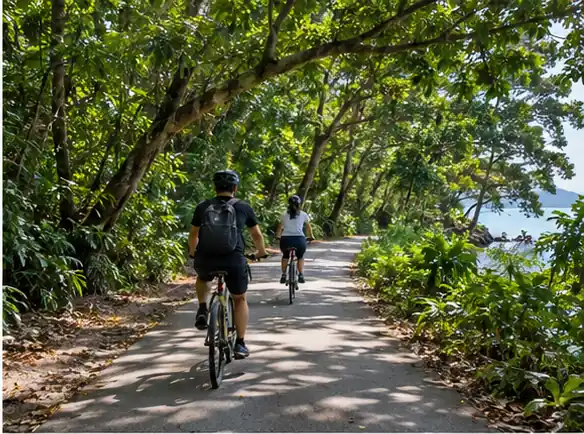
Bicycle parking is available at both entrances. The park is popular with cyclists, and some visitors combine it with longer rides through Punggol. Ride at a considerate speed, use a bell when appropriate, slow near walkers and families, and dismount wherever signs require it.
By car or taxi
There is no car park on Coney Island itself. NParks identifies the nearest car park at Punggol Settlement. A taxi or ride-hailing vehicle can drop you near a legal access point, but check the route and entrance before booking the ride.
Do not plan on driving across the island or stopping at a beach area. The park is meant to be explored on foot or by bicycle, and private vehicles are not permitted inside. Keep the drop-off clear and avoid blocking residential or service access.
How long to spend at the park
A short visit can focus on one entrance, a section of trail and one beach viewpoint. Allow about an hour or more depending on your pace and the route. A more complete self-guided walk takes longer: NParks recommends a 3.6-kilometre route with an estimated walking time of around two hours.
For a full visit, add time for birdwatching, the boardwalk, a stop at the Casuarina Exploratory and rest breaks. The two-hour estimate does not mean every visitor will finish in exactly two hours. Children, photography stops, wet weather and mobility needs all affect the pace.
Decide before arrival whether you want a relaxed out-and-back or a full traverse. If you begin late, choose a short route and turn back with ample time before closing. The east and west entrances are far enough apart that a missed exit can become a stressful problem.
Best things to do on Coney Island
Walk the nature trail
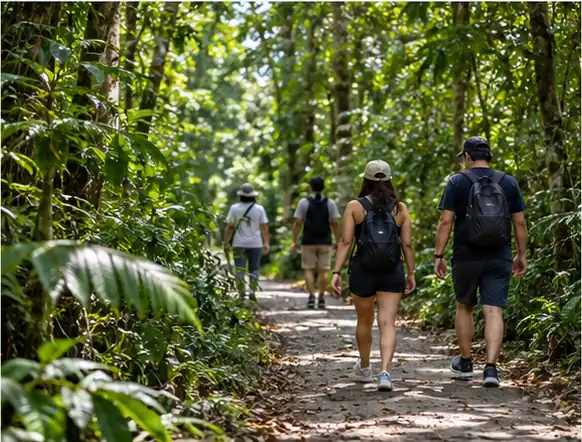
The walking route introduces visitors to several habitats within a compact island setting. Expect a mix of open paths, shaded stretches and boardwalk sections. Pause to observe the transition from coastal woodland to mangroves and grassland rather than walking quickly from one end to the other.
Stay on designated trails. Cutting through vegetation damages habitat and can put visitors in contact with insects, uneven ground or wildlife. NParks asks visitors not to stray into the greenery, and signs may identify areas where access is restricted.
Explore the boardwalk and mangroves
Boardwalk sections offer views over mangrove edges and coastal vegetation while keeping foot traffic above sensitive ground. Look carefully for mudskippers, crabs and other small animals around the waterline, but do not reach into roots or disturb them. A quiet pause often reveals more than a hurried walk.
Use the boardwalk as a place to observe and learn, not as a spot to feed wildlife or leave food. Keep the route clear for people moving in both directions. If the path is narrow, step aside only where there is room and let faster walkers or cyclists pass safely.
Visit the five beach areas
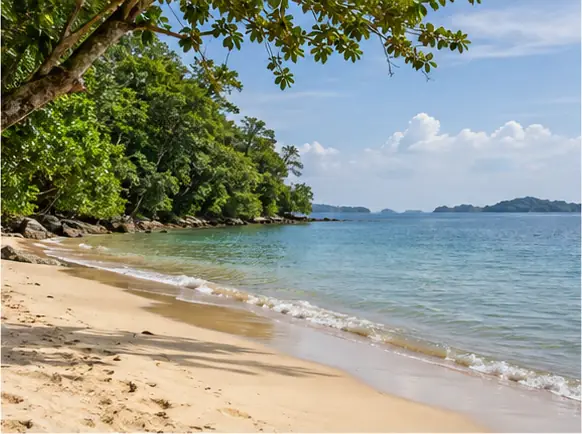
Coney Island has five themed beach areas, each with a different coastal character. They are not necessarily conventional swimming beaches with lifeguards, facilities or clear swimming zones. Treat them as nature-viewing stops and check local signs before approaching the water.
Sand, driftwood, vegetation and the waterline change with weather and tides. Avoid walking close to unstable banks, collecting shells or disturbing nests and plants. Keep children within sight, especially near the shore, and do not enter the water unless current official signs explicitly allow it and conditions are safe.
Look for birds and wildlife
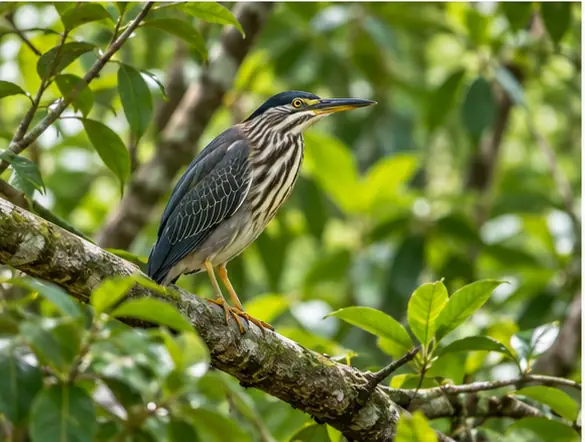
NParks notes that more than 80 species of resident and migratory birds have been spotted at the park. Birdwatching hides can help visitors observe wildlife without approaching it. Bring binoculars if you have them, keep your voice low and avoid sudden movements around feeding or resting birds.
The park’s habitats support many kinds of animals, from birds and butterflies to mud-dwelling creatures. A sighting is never guaranteed, and wildlife should remain undisturbed. Do not feed monkeys, approach wild boars, handle unfamiliar animals or try to attract birds with food.
NParks cautions visitors to keep a safe distance from wildlife, including stray dogs, wild boars and box jellyfish spotted in the area. It also notes that stray dogs are territorial and may feel threatened by pet dogs. Keep your own dog under control and follow official advice if you encounter wildlife.
Stop at Casuarina Exploratory
The Casuarina Exploratory is a nature play area near the western entrance. It uses fallen casuarina trees and recycled beach sand in a rustic setting, with features that encourage children to balance, climb and invent their own games. It is a good stop for families, though it does not replace active supervision.
Check that children use the structures safely and wear shoes suitable for sand and natural surfaces. The play area is outdoors and can become hot under direct sun. Plan a rest and water break before continuing along the trail.
What makes the park ecologically distinctive
Coney Island Park is designed around a rustic, ecologically sustainable character. Its coastal forests, grasslands, mangroves and casuarina woodlands create varied conditions for plants and animals. The island offers a chance to see how different habitats can exist close together within Singapore’s urban landscape.
NParks highlights two wild Paku Raja cycads near Beach Area C as the only two wild examples in mainland Singapore. The plants grow slowly and can live for a very long time. If you visit the area, observe them from the marked path and do not touch or remove any part.
Nature parks are living environments, not outdoor museums. Plants may be replanted, trails may be adjusted and wildlife patterns can change. Respect closures and temporary signs, which may protect habitats or visitor safety.
Is Coney Island suitable for families?
Families can enjoy the park if they choose a manageable route and prepare for an outdoor day. The play area, boardwalk and beach viewpoints offer variety, while the nature trail gives children a chance to notice birds and plants. However, the terrain is rugged in some parts and may not suit every young child.
Bring sufficient water, snacks, sun protection and insect protection. Covered shoes and long pants help protect against insects such as sandflies, which NParks specifically mentions. Keep children close near water and wildlife, and agree on a meeting point if the group spreads out.
Strollers and mobility aids may work at the east and west ends, which NParks describes as wheelchair accessible and stroller friendly. Other terrain can be rugged and unsuitable for people with mobility issues. Confirm the exact route with the park map and avoid assuming that every interior trail is smooth or paved.
Can you bring a dog?
Visitors may see people walking dogs near the park, but Coney Island also has stray dogs that NParks describes as territorial. A pet dog can be threatened by an encounter, so consider whether this is a suitable outing for your animal. Use a secure leash, keep distance from other dogs and never allow a pet to chase wildlife.
Bring water for your dog and plan a route that avoids heat exposure. Do not leave a pet unattended, and clean up after it. If you encounter a stray dog, avoid running toward it or trying to feed it; calmly create distance and follow posted guidance.
Rules for a responsible visit
- Enter and leave within the posted 7am–7pm opening hours.
- Stay on designated paths and do not enter restricted vegetation or structures.
- Do not camp or fish in the park.
- Do not feed monkeys or other wildlife, and keep a safe distance from animals.
- Do not carry open plastic bags or water bottles in the park where NParks advises against it; use a secured bag and follow current signs.
- Wear covered shoes and long pants to reduce exposure to insects.
- Take your rubbish with you and use bins at the entrances or nearby facilities.
- Cycle considerately and dismount where signs require it.
Rules protect both visitors and habitats. The vegetation provides shelter and food for wildlife, and human food can attract animals to paths. If you are uncertain about a rule, check NParks’ nature park etiquette guidance and the signs posted on site.
What to bring
- Drinking water for the full walking time, especially on a hot day.
- Covered shoes with a comfortable grip and long, lightweight trousers.
- Sun protection, including a hat and sunscreen.
- Insect repellent suitable for your needs.
- A compact rain jacket or umbrella if the forecast suggests showers.
- Snacks for children, packed so they do not attract wildlife or create litter.
- A charged phone with the park map saved for offline reference.
- Binoculars or a camera for wildlife observation from a distance.
When is the best time to visit?
Early morning is a comfortable time to start because it gives you more daylight before the park closes and can be cooler than midday. It may also suit birdwatching, although wildlife activity and sightings vary. Weekends and public holidays can bring more visitors, particularly to the western entrance and play area.
Rain can make paths slippery, and heat can make the walk tiring. Check the weather, adjust your route and avoid entering if conditions are unsafe. Thunderstorms, strong winds or temporary park notices may affect access, so verify current advisories before leaving home.
Do not plan a visit around sunset. The park closes at 7pm, and there are limited facilities once you are inside. A morning or early afternoon start leaves enough time for a full circuit, rest stops and a careful exit.
Suggested itineraries
One-hour visit
Enter from the west side, walk a short stretch of the trail, pause at an accessible beach viewpoint and return before the route becomes tiring. This plan suits visitors who are already near Punggol Point or want a quick nature stop before a meal nearby.
Half-day nature outing
Start in the morning, follow the suggested 3.6-kilometre walk at an easy pace, stop at the mangrove boardwalk and beach areas, and spend time at the play area if travelling with children. Carry food and water, and leave enough time to reach the exit well before 7pm.
Longer cycling route
Ride to the park through the Punggol connector network, park your bicycle at an entrance if you want to walk, or continue on permitted routes at a careful speed. Check the map and route rules before starting, and do not assume every narrow boardwalk is intended for fast cycling.
Common mistakes to avoid
- Arriving late: The gates close at 7pm, so leave time to return to an entrance.
- Expecting a car park on the island: The nearest car park is at Punggol Settlement.
- Underestimating the route: The recommended walk takes about two hours, before stops.
- Assuming beaches are swimming facilities: Check signs and do not enter water without clear official permission.
- Approaching wildlife: Observe from a distance and never feed animals.
- Wearing open footwear: Covered shoes and long pants offer better protection from insects and rough ground.
- Taking a stroller onto every trail: The ends are accessible, but some terrain is rugged.
- Ignoring a route closure: Use the official map and follow temporary barriers.
Nearby places to combine with the visit
Punggol Point and Punggol Promenade are natural additions to a west-entrance visit. The promenade offers a waterside route and access to dining around Punggol Settlement. Check opening times for individual businesses separately, as they are not part of the park’s facilities.
Lorong Halus Wetland and Punggol Waterway Park can complement a visit from the eastern side or become part of a longer cycling day. Use a route planner to estimate actual distances, and choose one additional destination rather than filling the schedule with too many stops.
For more local park ideas, explore the Singapore section of Lion City Herald or return to the Lion City Herald homepage. Check each destination’s official hours and access arrangements before combining them.
Frequently asked questions
What are Coney Island Park’s opening hours?
NParks lists the park as open from 7am to 7pm. Plan to leave before the gates close and follow any on-site notices.
How long does it take to walk around Coney Island?
NParks recommends a 3.6-kilometre self-guided route with an estimated walking time of about two hours. Stops, weather and walking pace add time.
Which entrance should I use?
The west entrance is near Punggol Point Walk and Punggol Promenade. The east entrance is near Lorong Halus Wetland. Choose based on your transport route and planned exit.
Can I drive into the park?
No. There is no car park on the island. The nearest car park is at Punggol Settlement, and visitors must continue on foot or by bicycle.
Can I swim at Coney Island’s beaches?
Do not assume the beach areas are designated swimming spots. Follow current signs and official safety guidance, and keep children away from unsafe water.
Is Coney Island Park suitable for wheelchairs and strollers?
NParks describes the east and west ends as wheelchair accessible and stroller friendly. Some interior terrain is rugged and may not suit visitors with mobility needs.
Can I cycle on Coney Island?
Cycling is a recognised activity in the park. Ride slowly around pedestrians, follow signs and dismount wherever required.
Are dogs allowed?
Plan carefully because NParks warns that stray dogs in the area can be territorial and may feel threatened by pet dogs. Keep pets controlled and at a safe distance from wildlife.
Are there toilets or food shops on the island?
Check the current park map for amenities. The island has no car park and limited facilities, so bring water and snacks rather than relying on shops inside the park.
Is Coney Island the same as the New York attraction?
No. Coney Island Park is a nature park in Punggol, Singapore. It is unrelated to the entertainment district in Brooklyn, New York.
Make the most of Coney Island Singapore
Coney Island Singapore is best approached as a nature walk with a clear route, enough water and time to return before the gates close. The boardwalk, five beaches, wildlife and play area offer variety, but the island remains a coastal habitat with rules designed to protect its natural character.
Check NParks’ latest information, choose the entrance that fits your plan and travel at a pace that suits your group. If you leave the trails and wildlife undisturbed, a simple walk can be a refreshing way to experience Punggol’s coast.
Sources
- NParks: Coney Island Park visitor information
- NParks: Coney Island Park guide and map (PDF)
- NParks: Nature walks at Coney Island
- NParks: Beaches at Coney Island
- NParks: Birdwatching at Coney Island