

 By admin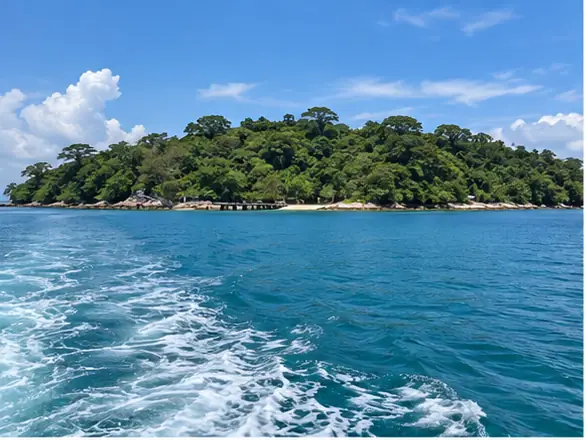
St John’s Island is a quiet Southern Island about 6.5 kilometres south of Singapore’s mainland. Visitors come for its coastal scenery, walking paths, marine-park learning opportunities and a slower day outdoors. It has a substantial history as well as natural value, so it rewards a little planning beyond simply buying a ferry ticket.
There is one major access detail to check before you go: as of September 2026, Singapore Land Authority (SLA) says the main St John’s Island jetty has been temporarily closed since 24 April 2025. Visitors are directed to use Seringat Jetty, followed by a walk of about 30 minutes to the island’s main jetty area. Ferry operators may change their landing instructions, so confirm the route and return sailing close to your travel date.
Where is St John’s Island?
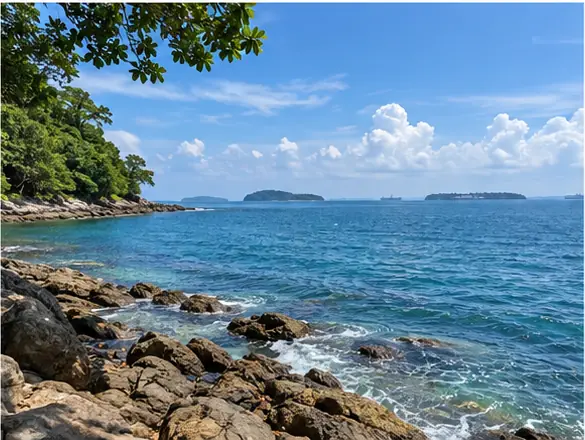
St John’s Island lies south of Singapore’s main island in the Singapore Strait. SLA describes it as around 6.5 kilometres from the mainland and covering 39 hectares. It forms part of the Southern Islands, a group of islands that also includes Kusu, Lazarus, Seringat and the Sisters’ Islands.
The island feels removed from the city, but it is not a remote wilderness destination. Ferries and public facilities serve visitors, and the island has a history of government use, research, recreation and marine conservation. The contrast between quiet paths and the distant skyline is part of its appeal.
St John’s should not be confused with Lazarus Island or the Sisters’ Islands. They sit in the same general southern area, but the access arrangements, activities and conservation rules differ. A ticket that covers island hopping does not necessarily mean every location has a public jetty or that all routes are open on a given day.
St John’s Island jetty closure: what visitors need to know
SLA’s visitor page currently states that the main St John’s Island jetty is temporarily closed, and that access is via Seringat Jetty. The government advisory says the alternative jetty is about a 30-minute walk from the St John’s Island jetty area. Ferry providers have described the walk as shorter on their route notices, so use the current operator’s exact drop-off point and directions when planning.
This affects the shape of a day trip. Build in extra walking time, take water, and check whether everyone in your group can comfortably manage the route in Singapore’s heat. The closure also means older directions and photographs showing a ferry arriving at the main jetty may no longer match the current service.
Before travelling, review the SLA St John’s Island access notice and the ferry operator’s latest update. The MPA Port Marine Notice 56 of 2026 supersedes the earlier notice and reiterates the closure. If information conflicts, confirm directly with the operator before leaving for Marina South Pier.
How to get to St John’s Island
Travel to Marina South Pier
Scheduled ferries to the Southern Islands depart from Marina South Pier. The pier is served by the Marina South Pier MRT station, and visitors can also travel by taxi or other public transport. Check the ferry company’s terminal instructions, ticket collection requirements and boarding time before the day of travel.
Allow enough time to reach the pier, especially if you need to collect tickets or are unfamiliar with the area. Do not plan to arrive at the last minute. Ferry services operate on fixed schedules, and a missed outbound sailing can disrupt the whole day; a missed return can be more serious because accommodation and transport options on the island are limited.
Book a ferry and verify the landing point
Choose a current scheduled service or an approved charter and read the itinerary carefully. Some tickets are designed for island hopping, while others are direct or have specific stops. With the main St John’s jetty closed, check whether the sailing lands at Seringat Jetty and how the operator describes the onward walk.
Save your ticket details and return departure time offline in case mobile reception is weak. Ask the operator whether the ticket allows you to board a later return ferry, whether a reservation is required for the return leg, and what happens if the schedule changes due to weather or marine conditions. Policies vary by provider and ticket type.
Walk from Seringat Jetty
The walk between Seringat and the St John’s Island area adds a significant outdoor segment. Take the route shown by the ferry operator or on-site signs rather than relying on an old map screenshot. The path may feel longer in the midday sun, so wear comfortable shoes, carry water and avoid scheduling the return with no buffer.
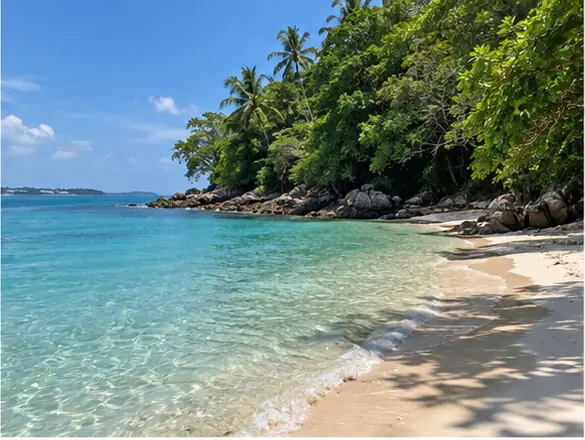
Consider the needs of children, older visitors and anyone with mobility limitations. A 30-minute walk can be challenging if it is hot, wet or exposed, and the island environment may not provide frequent shops or sheltered rest points. If your group cannot manage the walk, contact the operator and SLA to ask about current accessibility arrangements before buying tickets.
Ferry times, tickets and return planning
Schedules and ticket conditions can change by weekday, weekend, holiday period, weather and operator. Rather than relying on a fixed timetable copied into an old travel article, use the ferry company’s schedule for your chosen date. Check the last return service, required check-in time, route sequence and the exact landing point.
Island-hopping tickets can be convenient if you plan to visit multiple islands, but they also require careful timing. Decide how long you want to spend on St John’s, confirm the next ferry’s availability and leave enough time to walk back to the departure point. Do not assume every ferry calls at every island on every sailing.
Keep your group together and agree on a meeting point. If someone takes a separate path or pauses to photograph wildlife, communicate clearly about the boarding time. The ferry is the main link back to the mainland, and missing it can turn a simple day trip into a difficult situation.
What to do on St John’s Island
Walk the island trails
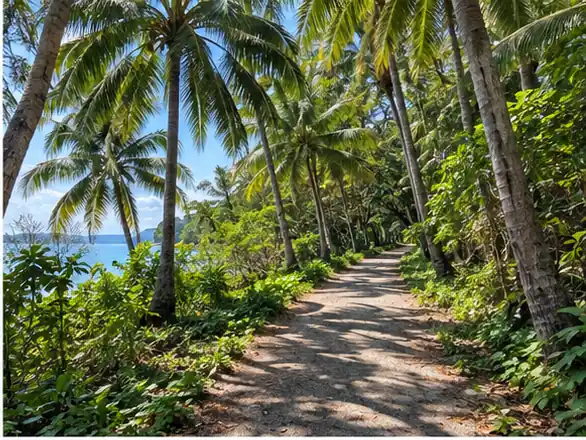
A walk is one of the simplest ways to experience the island. Follow marked routes and take time to notice the changing shoreline, vegetation and views across the water. Paths can be exposed, and not every section has shade, so a relaxed pace is more comfortable than trying to cover everything quickly.
Use a map and pay attention to signs about restricted areas. Some parts of the Southern Islands support research, conservation or operational activity. An island that appears open on a general map may still include zones where visitors should not enter.
Visit the Marine Park Public Gallery
The public gallery at the Marine Park Outreach and Education Centre introduces visitors to Singapore’s marine biodiversity through displays and learning material. It can add context to a coastal walk, particularly for families and school groups. Confirm its opening arrangements and any programme schedule with NParks before making it the centrepiece of a trip.
NParks asks groups larger than 20 who plan to visit the public gallery to inform the agency at least two weeks in advance. Smaller groups should still check the visitor information because access may depend on programmes, operating arrangements or maintenance. See the NParks Marine Park visitor features for current details.
Observe coastal wildlife responsibly
St John’s Island and the surrounding reefs are associated with marine and coastal habitats. Visitors may notice birds, crabs, shoreline plants or other wildlife, but sightings are never guaranteed. Bring binoculars if you enjoy observing birds from a respectful distance, and avoid approaching or feeding animals.
Keep hands away from unknown marine life and do not collect shells, corals, plants or other natural material. Even small objects may be part of an ecosystem. Leave the shoreline as you found it, and take rubbish back to a designated bin or to the mainland if bins are unavailable.
Enjoy the scenery and a slower pace
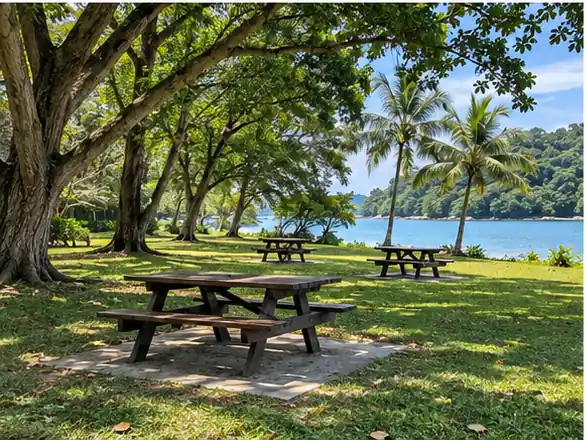
The island is suitable for a low-key outing: take a walk, rest in an appropriate public area and enjoy the sea views. It is not a resort with a full range of food outlets, shops and services. A simple plan with realistic expectations will usually be more enjoyable than arriving expecting a commercial beach club or a packed attraction schedule.
Swimming conditions and permissions should never be assumed. Marine park regulations restrict swimming except in areas specifically designated for it, and conditions can change. Follow current signs and official advice; do not enter the water because a lagoon or beach appears calm.
History of St John’s Island
St John’s Island has served different purposes through Singapore’s history. Its past includes quarantine and public health use, followed by recreational use as a holiday resort. These changes reflect broader shifts in how Singapore managed maritime arrivals, disease prevention, leisure and coastal development.
In the modern era, the island has also become a base for marine research and education. The St John’s Island National Marine Laboratory and other research facilities reflect the value of the surrounding waters. The island’s identity therefore includes both visitor recreation and scientific work.
Historical accounts may use older place names, including Pulau Sekijang Bendara. Names, institutional roles and visitor access have changed over time, so interpret historical information in context. The current public visitor experience is not the same as the island’s earlier institutional uses.
Marine conservation and visitor responsibility
The Sisters’ Islands Marine Park includes the Sisters’ Islands and western reefs around St John’s Island and Pulau Tekukor. The marine park is intended to support conservation, research, public education and engagement. Its presence means visitors should treat the coastline as a sensitive environment, even when walking through an ordinary public area.
Stay on designated paths and follow signs about marine habitats and restricted spaces. Do not remove animals or plants, disturb tide pools, or leave food for wildlife. Feeding can change animal behaviour and create safety or sanitation problems for other visitors.
Rules can vary by location within the marine park. For example, Bendera Bay on St John’s Island is not generally open to the public, according to NParks; it is used for outreach, education and research activities. Always check whether a particular cove, lagoon or facility is open before planning around it.
Food, water and facilities
Bring sufficient drinking water and food for the full day. SLA advises that the other managed islands do not have retail or food-and-beverage shops, and the Lazarus convenience store has limited days and hours. Do not count on buying lunch after arrival at St John’s Island.
Pack food in reusable containers where possible and take all packaging away. Heat and humidity can make visitors drink more than expected. Carry more water than you think you will need, especially if you plan to walk from Seringat Jetty and explore the island paths.
Facilities can include toilets and visitor areas, but availability and condition can vary. Bring basic personal supplies, any required medication and sun protection. SLA notes that medical services are not available on the islands, so plan conservatively and do not travel if someone in the group needs immediate access to care.
Can you stay overnight?
Overnight accommodation is available through SLA-managed facilities such as St John’s Island Lodge, subject to booking and current terms. The official SLA page describes former bungalows and camp facilities with different capacities and basic cooking arrangements. These are managed bookings, not informal open camping.
Book through the official channel and read the current conditions, fees, check-in rules and what equipment is provided. Some accommodations require advance applications, and rates can change. Do not assume that a public day-visitor area permits tents or overnight stays.
Camping is permitted only in designated areas and requires the relevant permit. SLA says applications should be submitted at least 14 days before the intended use. Open fires are not allowed; use only facilities explicitly provided for permitted activities and follow the instructions on site.
Best time to visit
Choose a day with a workable ferry schedule and weather suitable for outdoor walking. Singapore’s tropical climate can bring intense sun, humidity and sudden rain throughout the year. Check the forecast shortly before departure and bring protection for both sun and showers.
Weekdays may feel quieter than busy weekends or holidays, but the number of visitors depends on ferry capacity, events and group bookings. If you want to explore the gallery or join a guided activity, check the programme dates first. A ferry-only visit can still be worthwhile when there is no scheduled programme.
Plan the walk from the alternative jetty in daylight and leave a generous return buffer. Avoid cutting your island visit close to the last ferry. A relaxed schedule gives you room to stop, hydrate and adapt if the path or weather slows you down.
What to pack
- Enough drinking water and food for the time you expect to spend on the islands.
- Comfortable shoes with grip for walking and potentially wet surfaces.
- Sun protection such as a hat, sunscreen and lightweight clothing.
- A compact rain jacket or umbrella suited to the forecast.
- Any personal medication and a small first-aid kit.
- Offline copies of ferry tickets, maps, operator contact details and return times.
- A reusable bag for rubbish so you can carry it back if bins are not available.
- Binoculars or a camera if you want to observe wildlife without approaching it.
Safety and accessibility considerations
The main practical challenge is the combination of ferry timing, the alternative landing point and outdoor walking. Keep your group together, stay hydrated and tell someone on the mainland about your itinerary if travelling independently. Use marked routes and follow temporary closures.
Check accessibility directly before booking. The walk from Seringat Jetty and the island’s paths may not suit every visitor, and facilities can be separated by uneven or exposed routes. Ask the ferry operator and SLA about boarding access, landing surfaces, distances and available assistance.
Follow posted water-safety information and be alert to marine-life advisories. SLA has warned about box jellyfish sightings in Singapore waters and advises visitors to heed island notices. Do not swim outside designated areas, and seek help promptly if anyone is injured or stung.
St John’s Island with Lazarus and Kusu
Visitors often combine St John’s with Lazarus Island or Kusu Island because ferry operators serve the Southern Islands. SLA’s suggested route connects the islands by scheduled services, but the best sequence depends on the current ferry times and the St John’s jetty closure. Confirm the exact stops for the selected ticket.
Lazarus is reached by walking from St John’s or through services that land at Seringat, depending on the operator’s route. Kusu has its own visitor features and seasonal religious significance. Combining all the islands can make a long day, so choose priorities rather than trying to spend equal time everywhere.
For a first visit, St John’s plus one nearby island may be more comfortable than a full circuit. The walk between landing points, heat and waiting for scheduled ferries all take time. Carry water and food for the complete itinerary, not just the first stop.
Sample day-trip plans
Easy nature visit
Take a morning ferry from Marina South Pier, follow the current route to Seringat, and walk to the St John’s area. Explore one trail at a relaxed pace, visit the public gallery if it is open, eat a packed lunch and return well before the final sailing.
Island-hopping visit
Choose a ticket that clearly lists St John’s and the additional island you want to see. Check departure times in both directions and decide in advance how long to spend at each stop. Keep a buffer before the return ferry and avoid a route that leaves the group rushing across exposed paths.
Overnight stay
Book an approved lodge or campsite through SLA, confirm the check-in method and review the facilities list. Bring food, water, bedding or personal items that are not supplied, and keep the booking confirmation available offline. Follow the permit rules and leave the accommodation area clean.
Common planning mistakes to avoid
- Using old jetty directions: The main jetty remains listed as closed; verify the alternative landing point and walk.
- Assuming every ferry route is unchanged: Schedules and stops differ by company and date.
- Underestimating the walk: The route from Seringat takes time and can feel demanding in hot weather.
- Expecting shops and restaurants: Bring food and water for the day.
- Planning an unpermitted overnight stay: Use designated accommodation and obtain required approval.
- Swimming wherever the water looks calm: Follow marine park rules and posted designations.
- Leaving no return buffer: Stay aware of ferry times and reach the boarding area early.
Useful official links for your visit
Check visitor access and accommodation through the Singapore Land Authority island page. Review general transport, safety advice and food guidance on SLA’s Southern Islands visitor information. For marine park activities, gallery details and group arrangements, use the NParks marine park activity page.
For more Singapore destination ideas, browse the Singapore section of Lion City Herald or visit the Lion City Herald homepage. Ferry companies publish their own operational notices, so check the company whose ticket you intend to use for same-day changes.
Frequently asked questions
How do I get to St John’s Island?
Take a scheduled ferry from Marina South Pier. Because the main jetty is listed as closed, confirm the current landing point; SLA says visitors use Seringat Jetty and walk onward.
Is St John’s Island open to visitors?
Public access continues through the alternative jetty arrangement, subject to current ferry service and site notices. Check SLA and your ferry operator before travelling.
How long is the walk from Seringat Jetty?
SLA describes it as about 30 minutes to the St John’s Island jetty area. Operators may quote different times depending on the exact landing point and route, so follow current directions.
Are there restaurants or shops on the island?
Do not rely on finding food or retail on St John’s Island. SLA advises visitors to bring enough food and water for the day on the managed islands.
Can I swim at St John’s Island?
Do not assume swimming is allowed in any open water or lagoon. Marine park rules permit swimming only in designated areas, and visitors must follow current signs and advisories.
Can I stay overnight?
Yes, designated SLA-managed accommodation can be booked subject to availability and current conditions. Camping is allowed only at approved areas with the required permit.
Is the Marine Park Public Gallery open every day?
Opening arrangements can vary. Check NParks’ current visitor information before making the gallery a fixed part of your itinerary.
Can I visit St John’s Island with children?
Families can visit, but plan for ferry boarding, a substantial walk from the alternative jetty, heat and limited services. Bring water, food and sun protection, and keep children close near the coast.
Can I combine St John’s Island with Kusu Island?
Some ferry services allow island hopping, but routes and times vary. Confirm that your ticket includes the desired stops and leave enough time for walking and boarding.
Plan for the current access route
St John’s Island offers a different pace from central Singapore, with coastal scenery, trails and marine education in a historic setting. The key to a smooth trip is checking current ferry information, planning for the alternative jetty and bringing the essentials you will need outdoors.
Confirm access and safety notices before departure, respect the marine environment and keep a comfortable return buffer. With those details settled, the island can be a rewarding day out or an approved overnight stay within Singapore’s Southern Islands.
Sources
- NParks: St John’s Island trail guide (PDF)
- NParks: Sisters’ Islands Marine Park
- NParks: St John’s Island nature walks
- Singapore Land Authority: Visiting managed islands
- Marina South Ferries: Ferry schedule